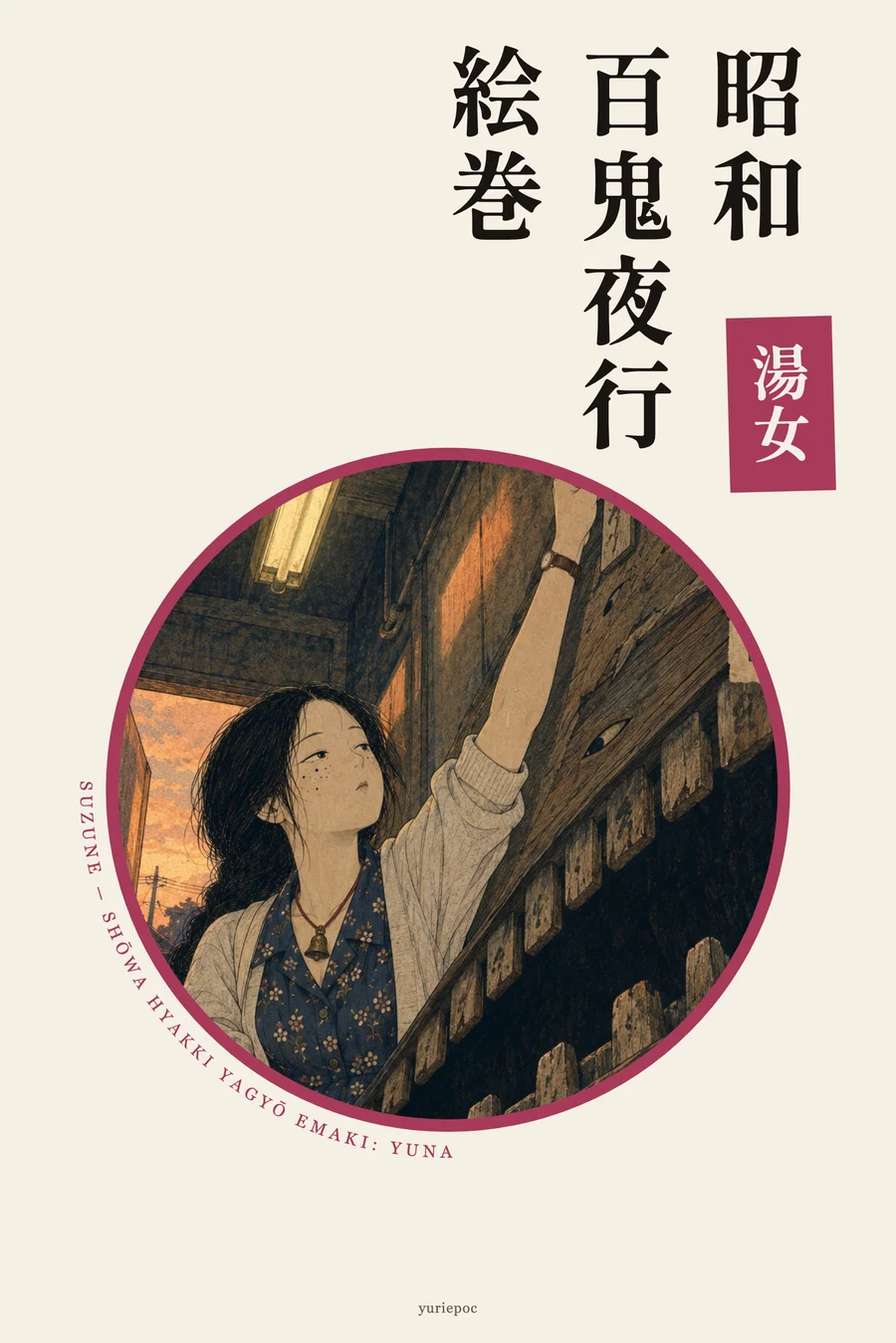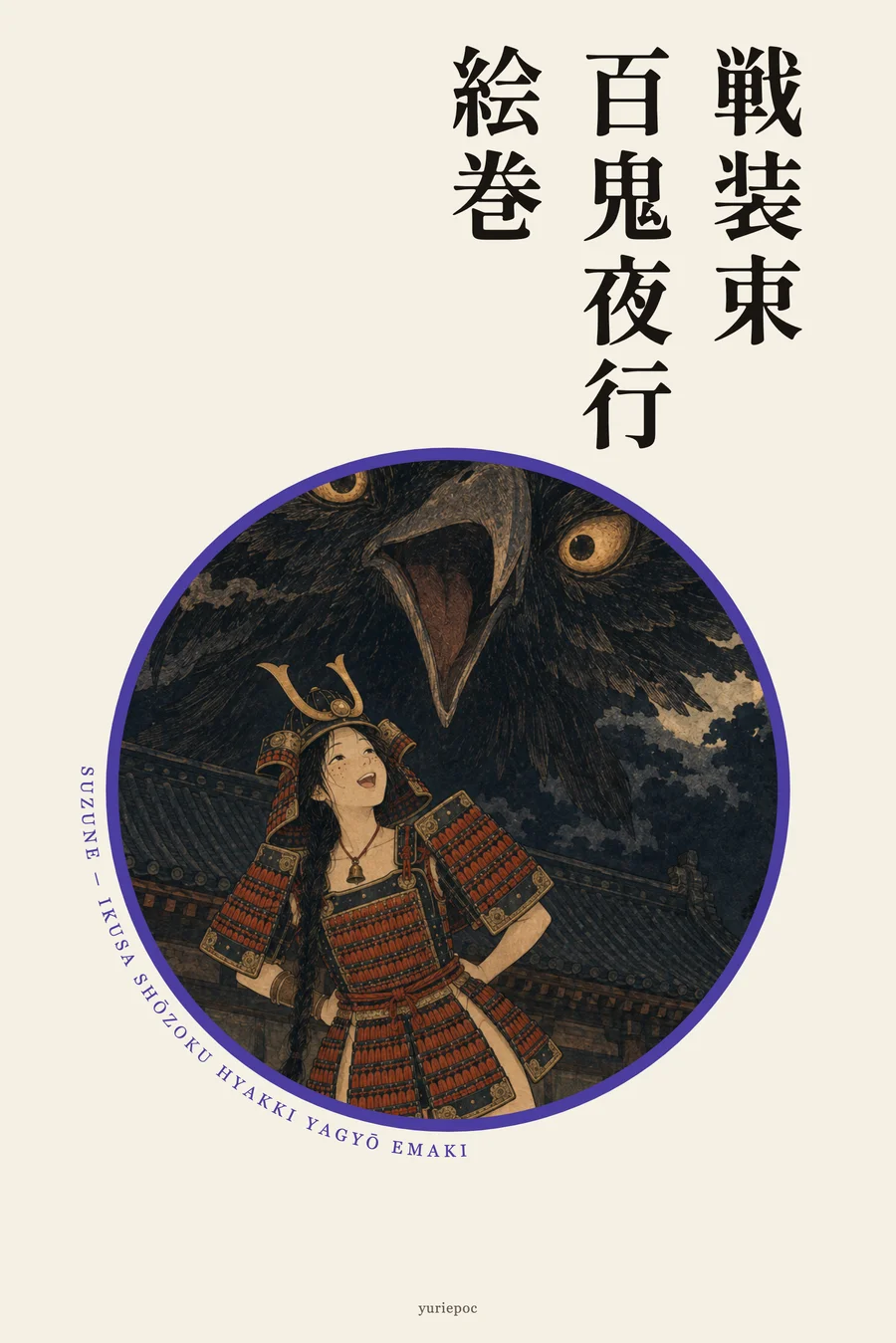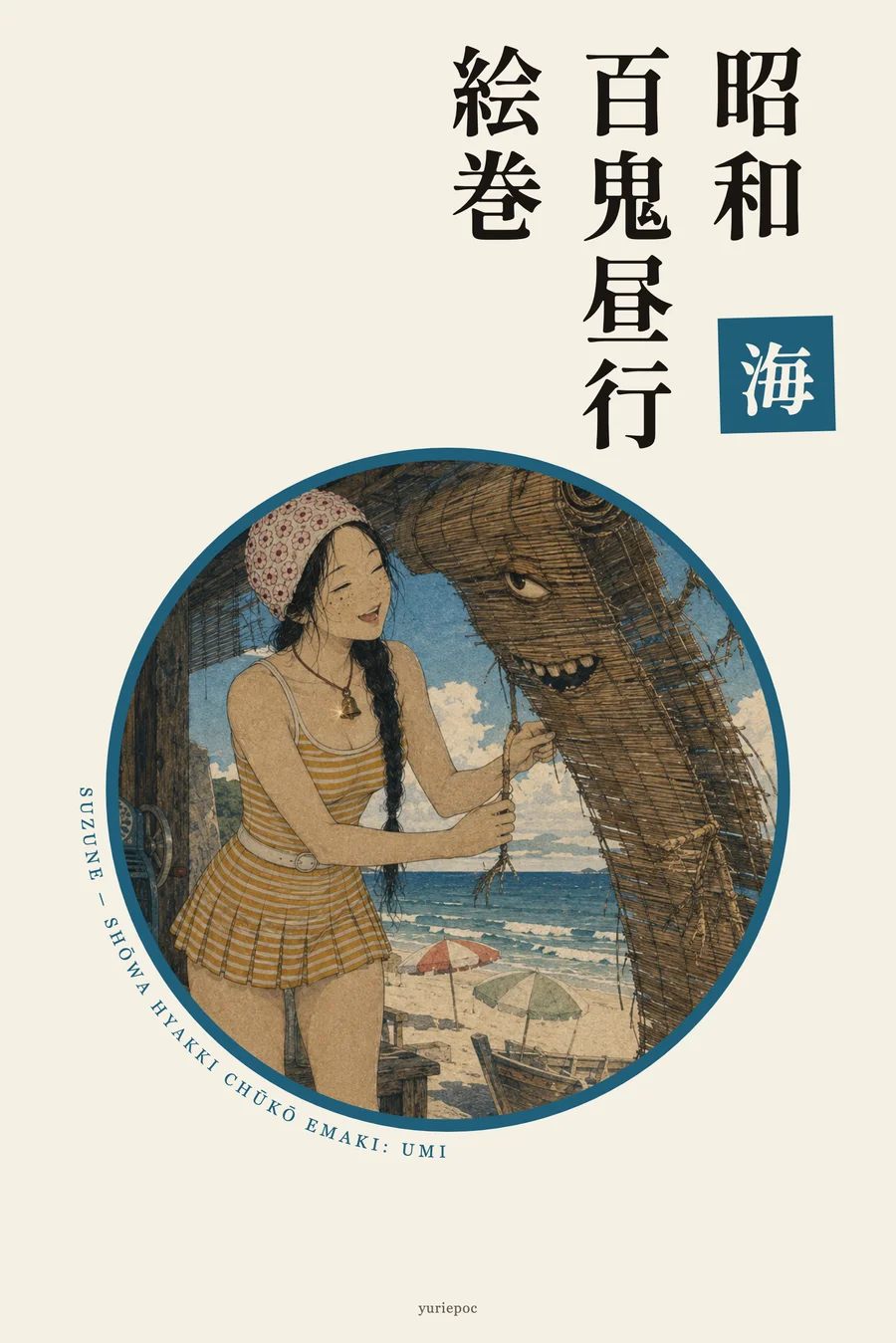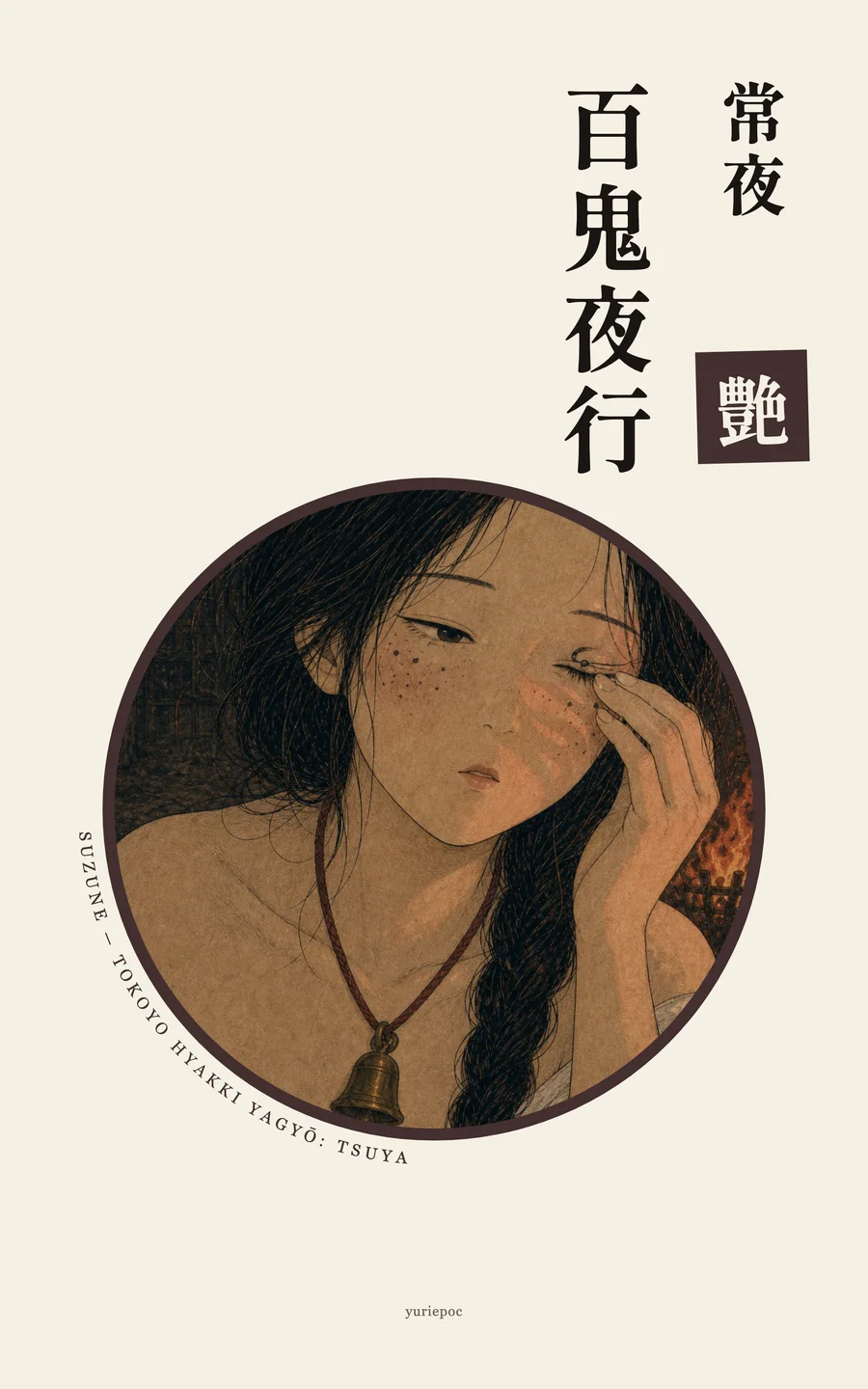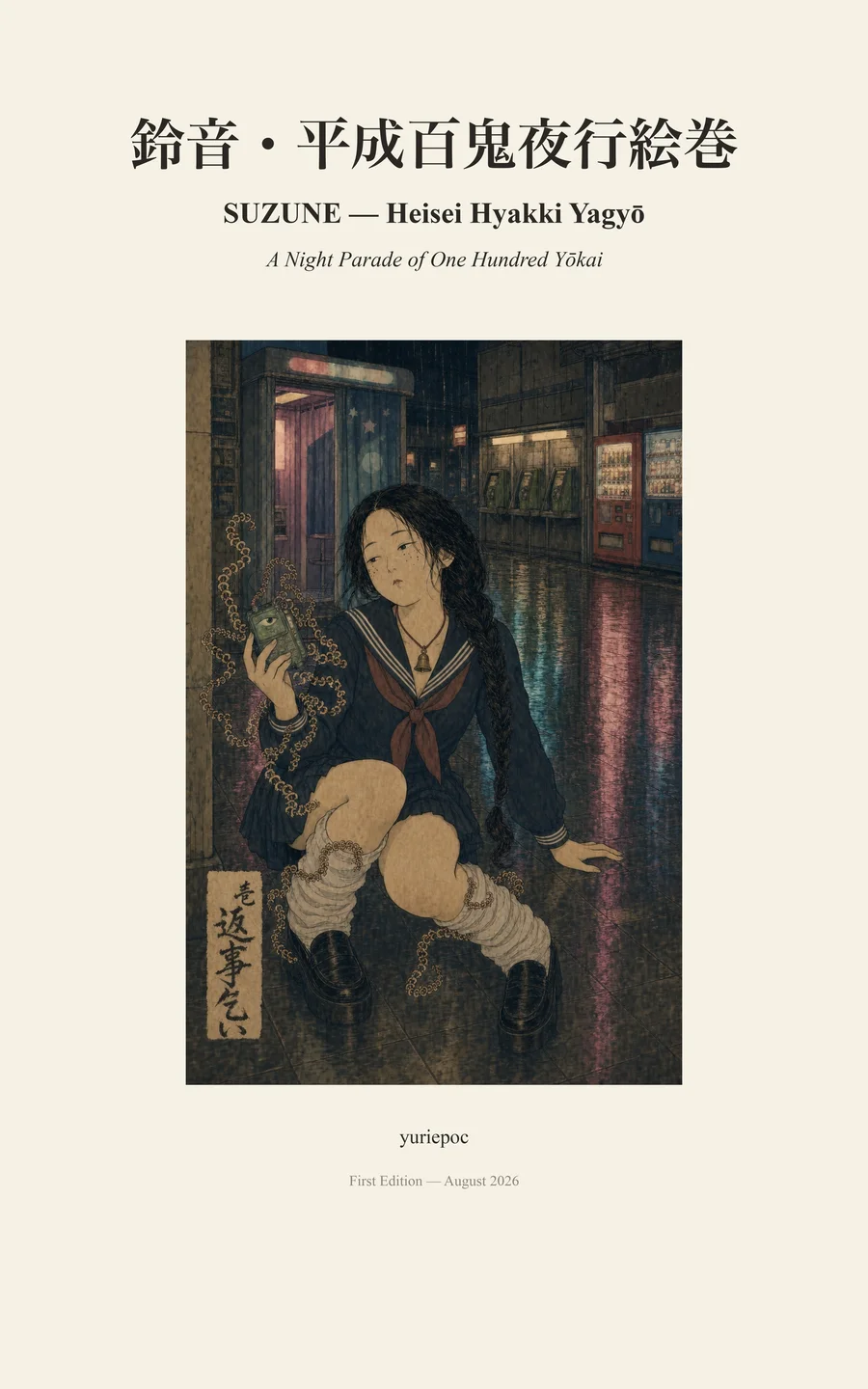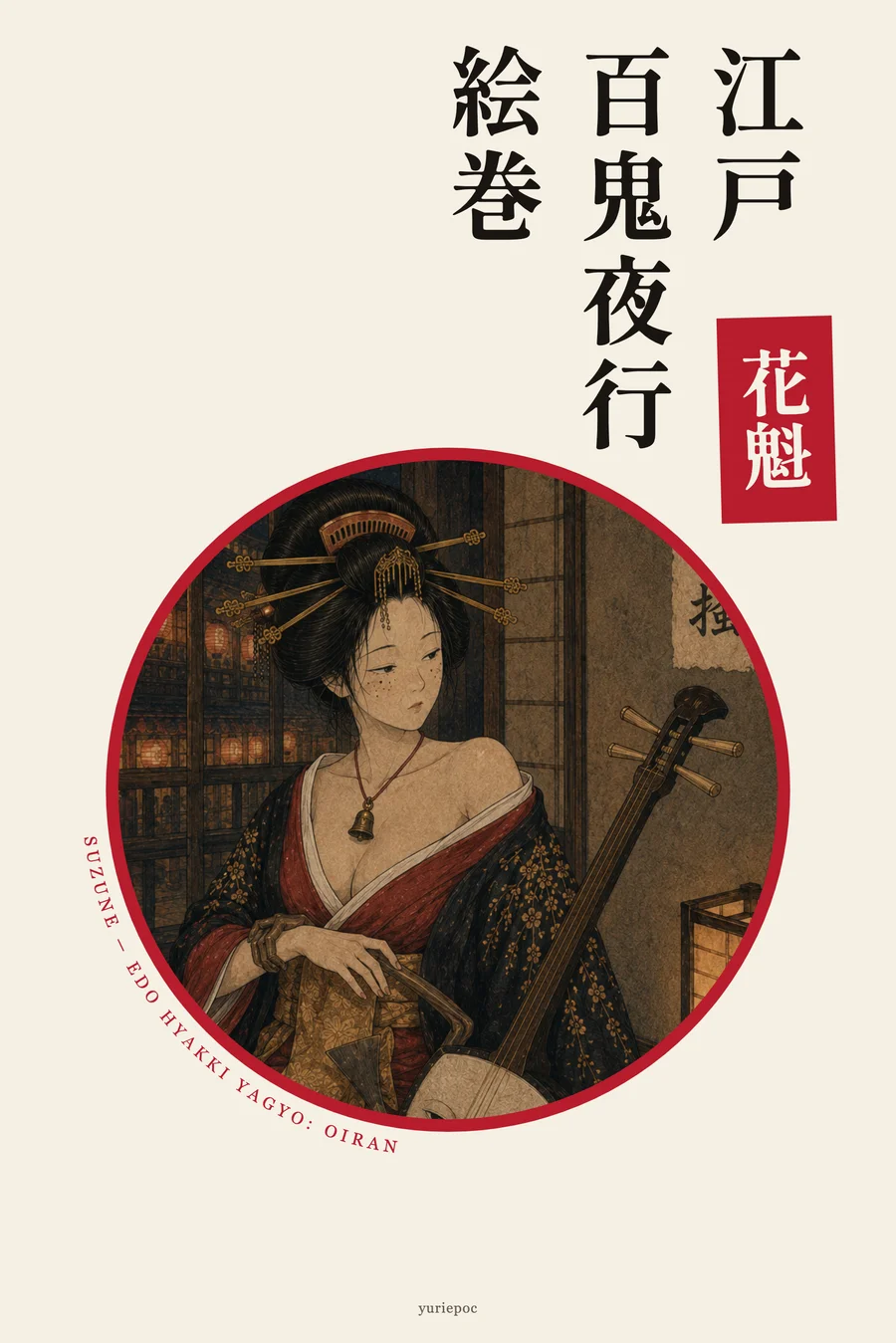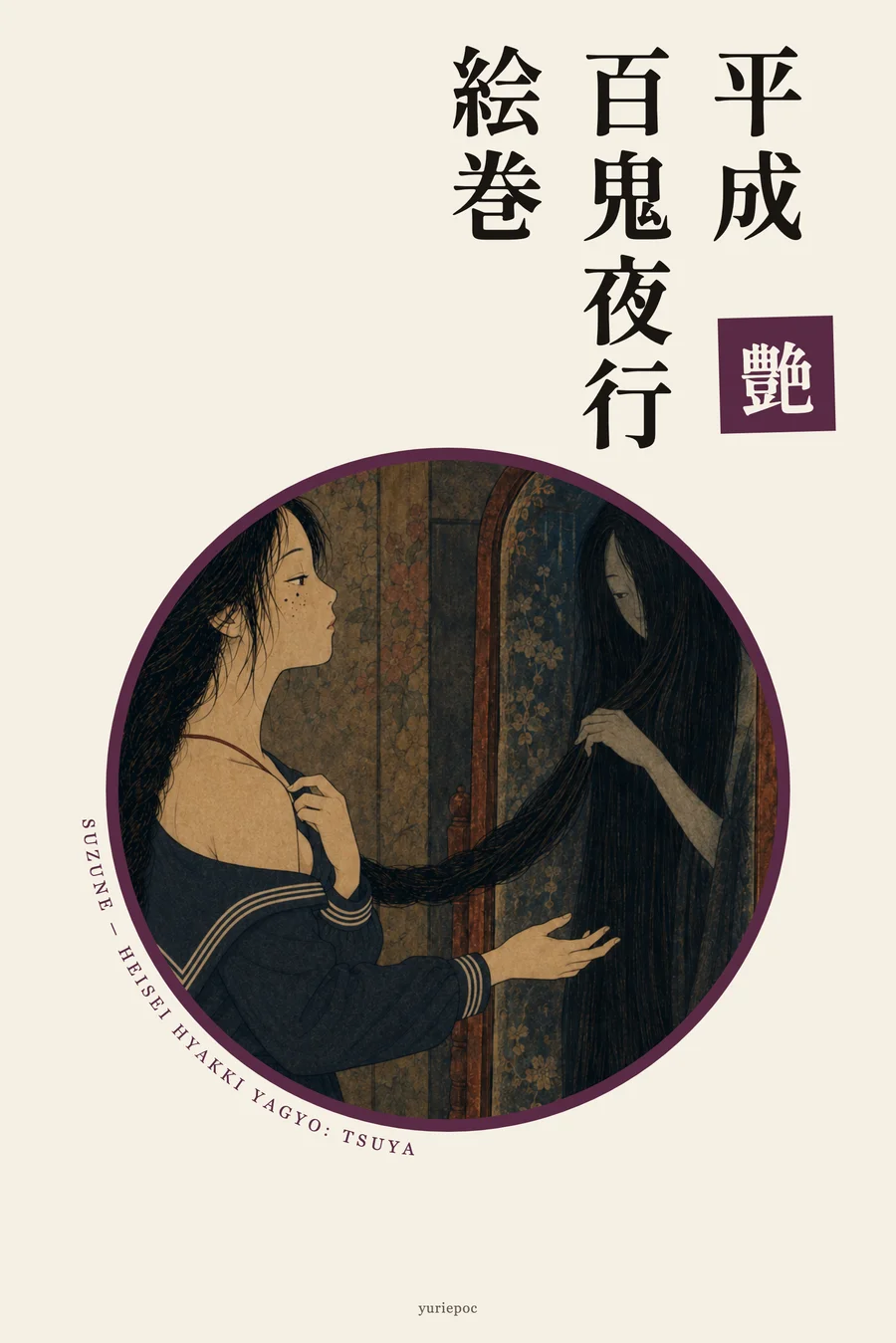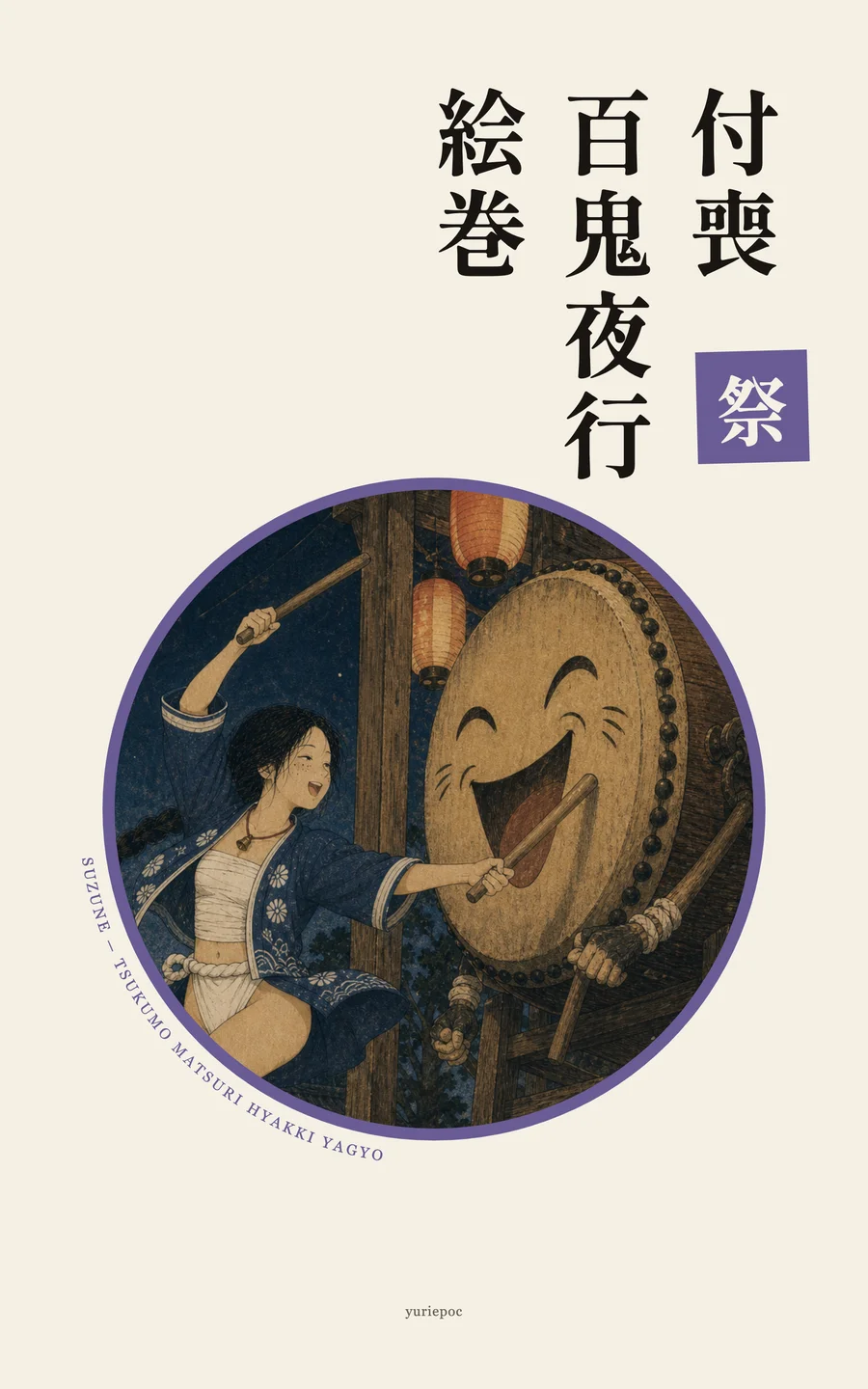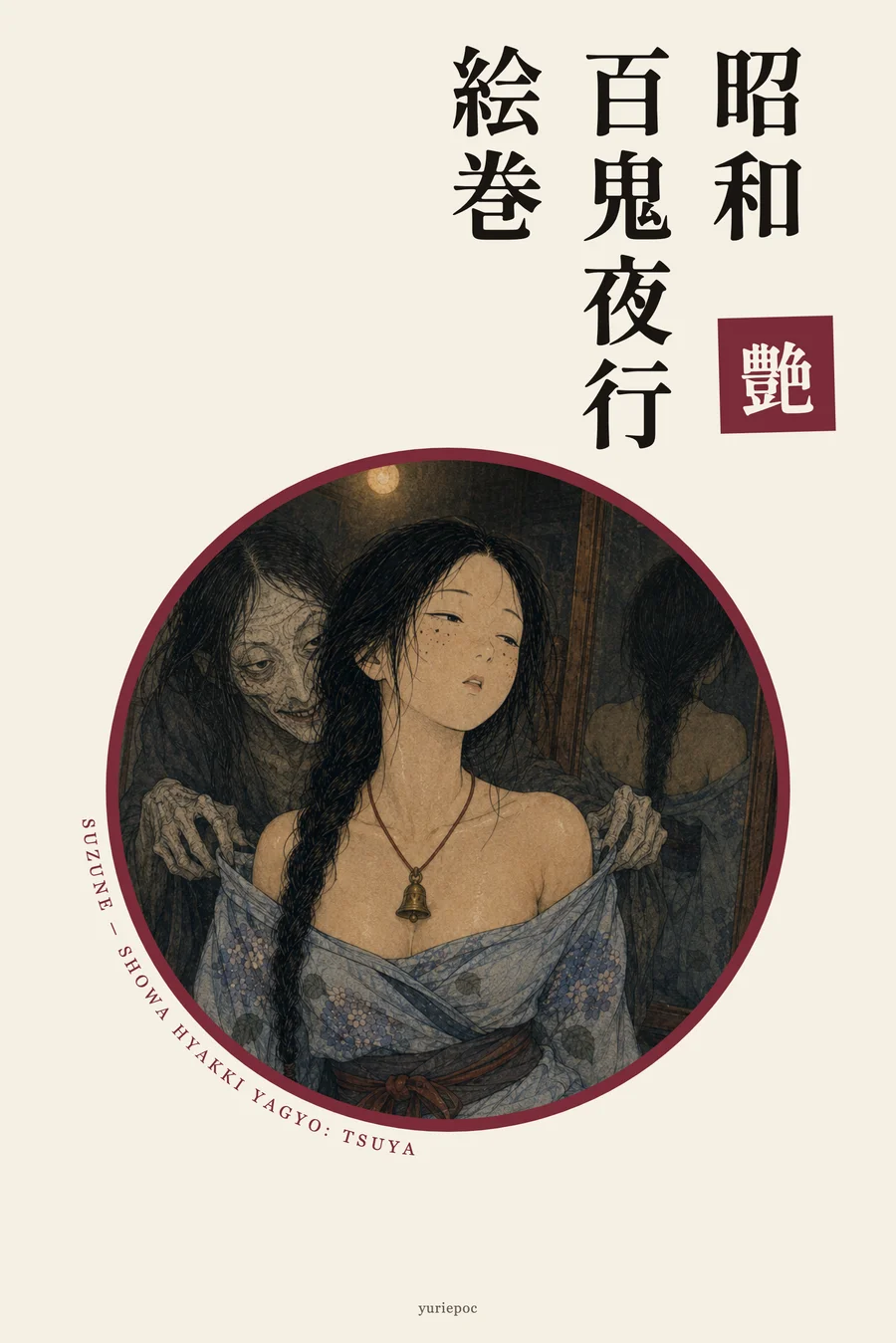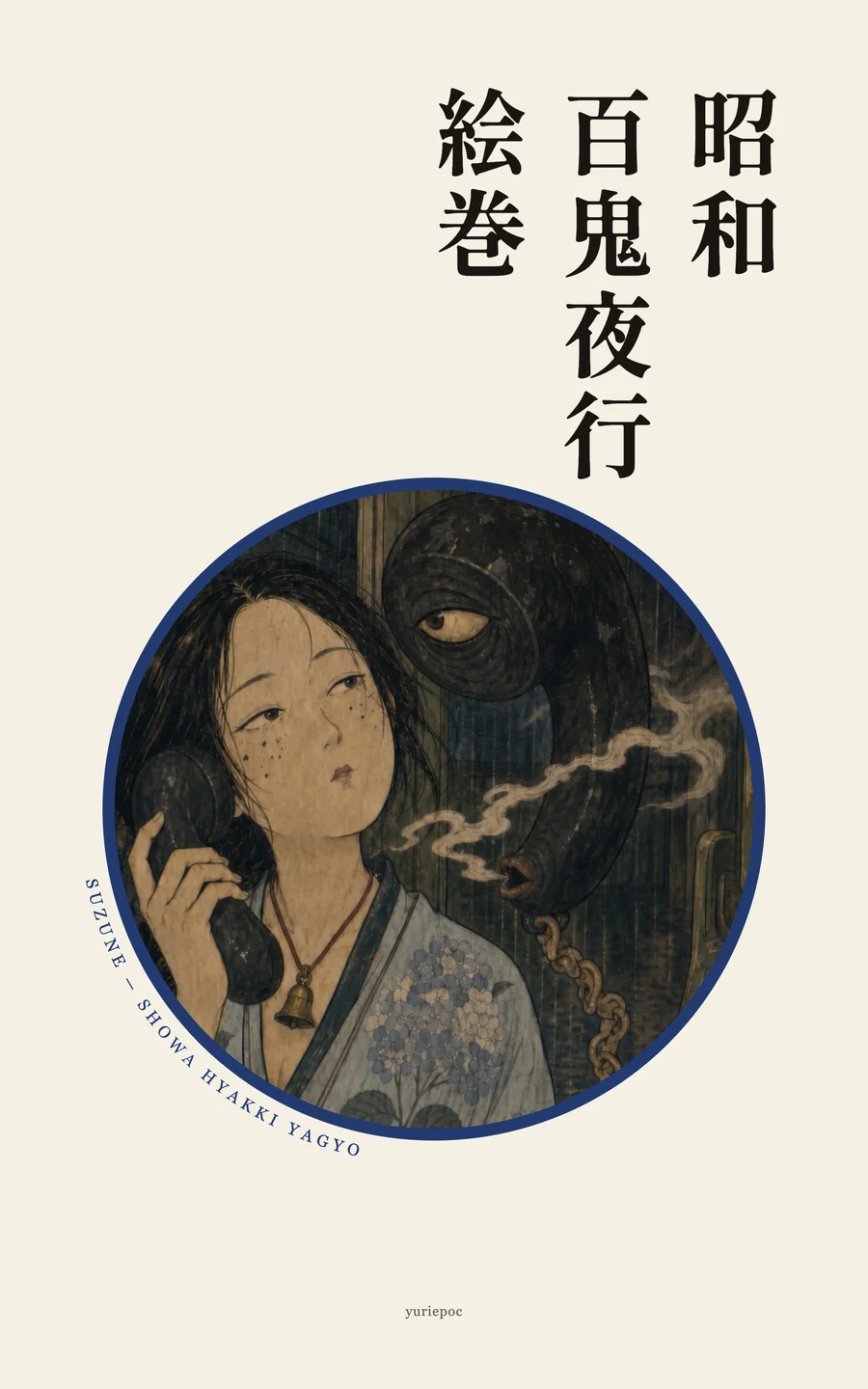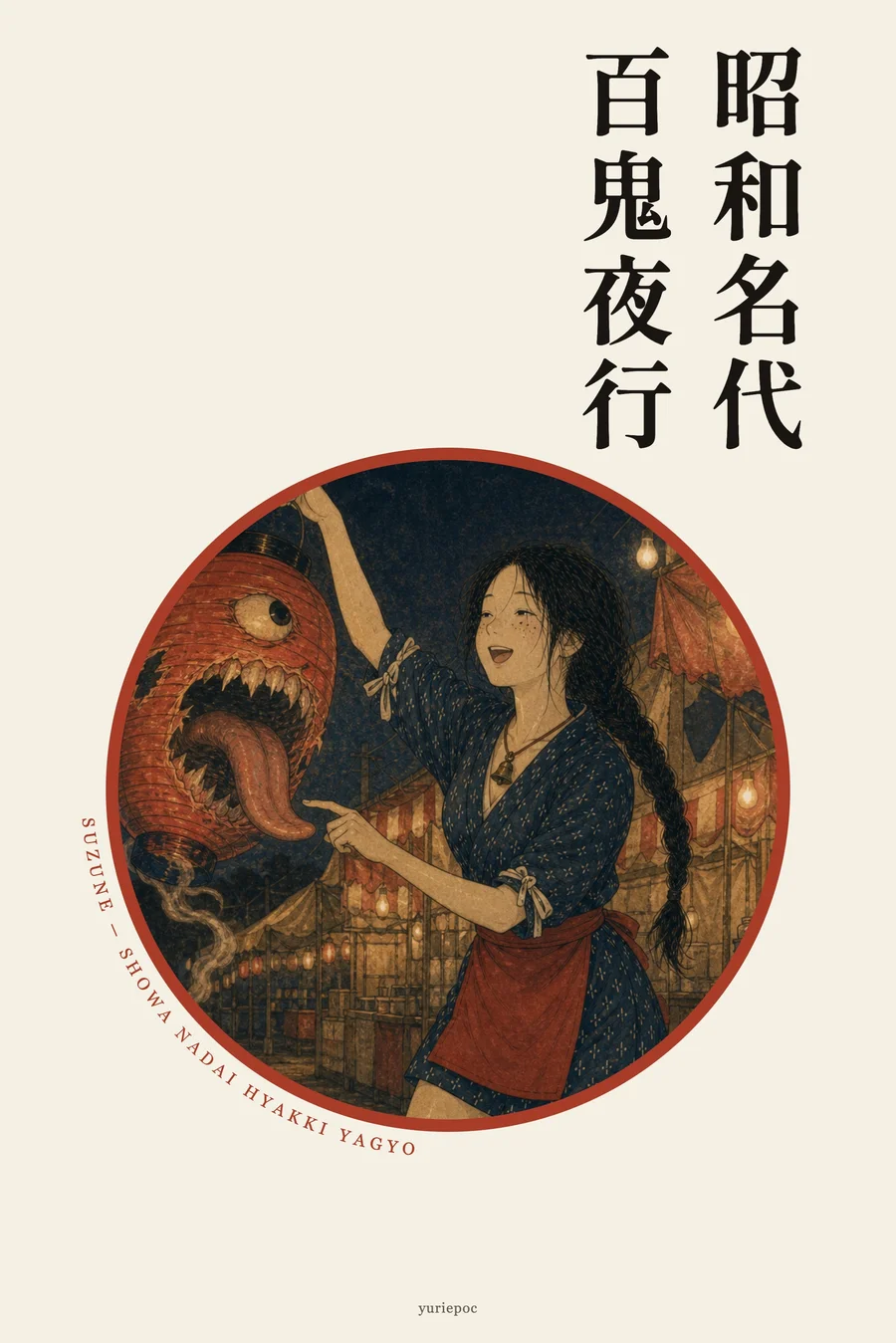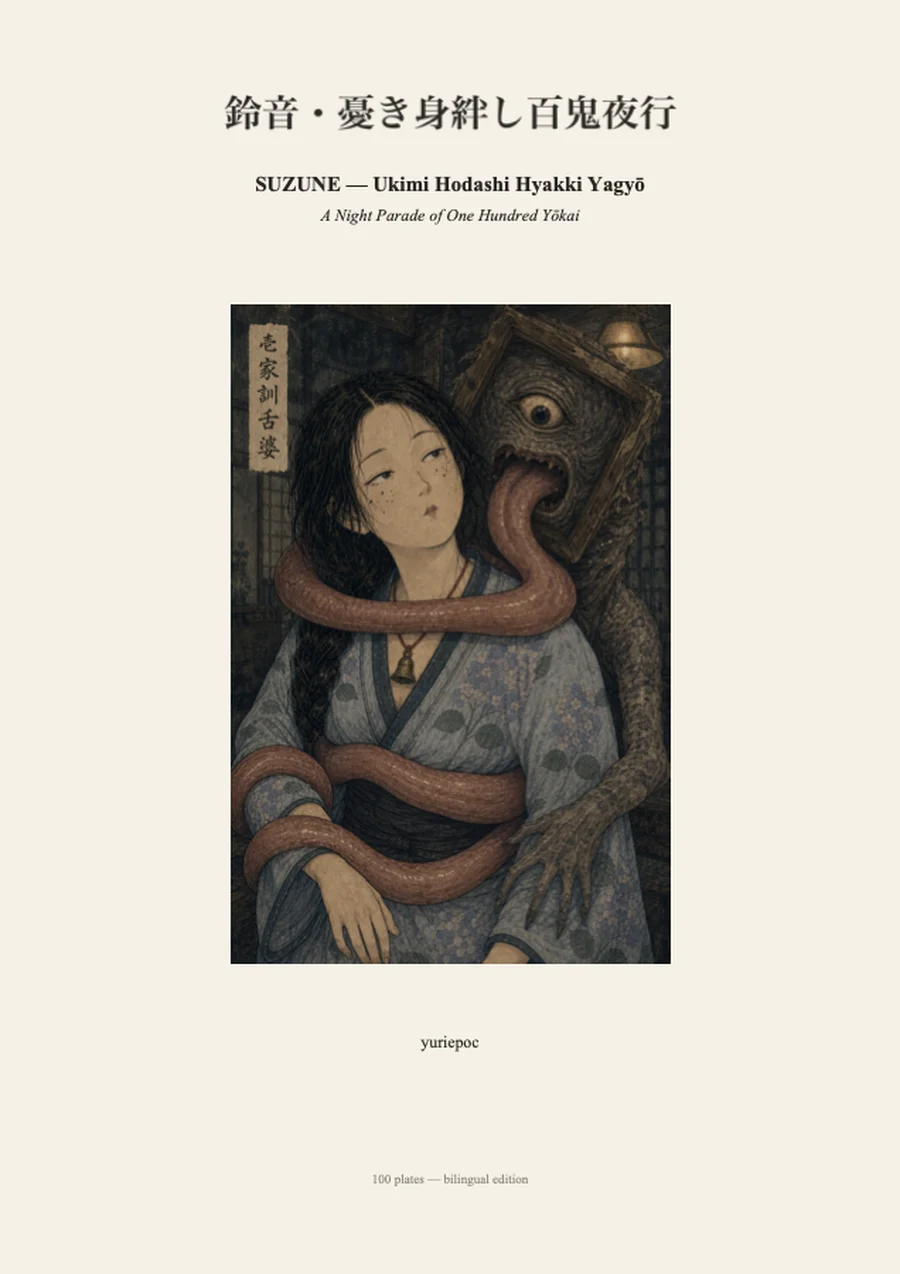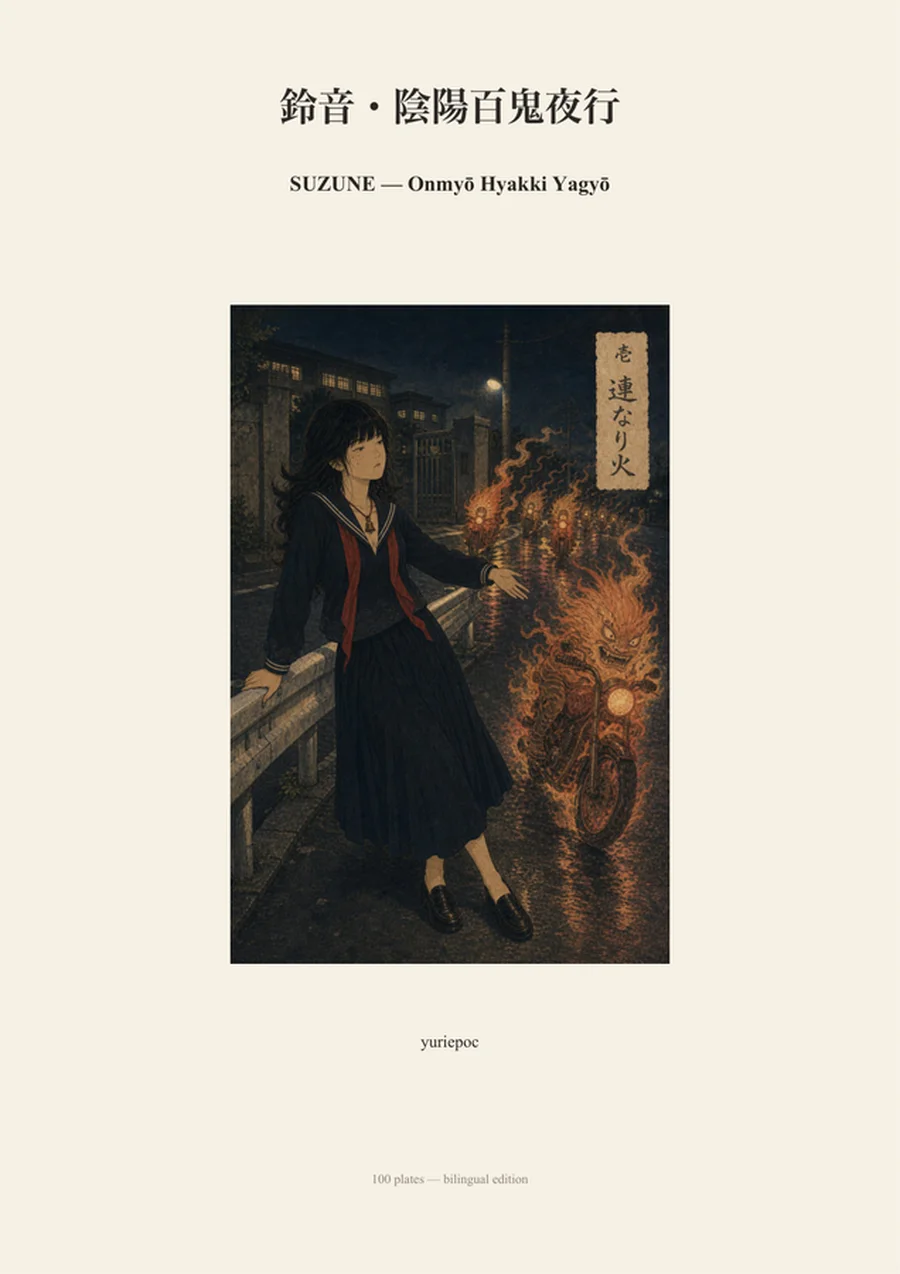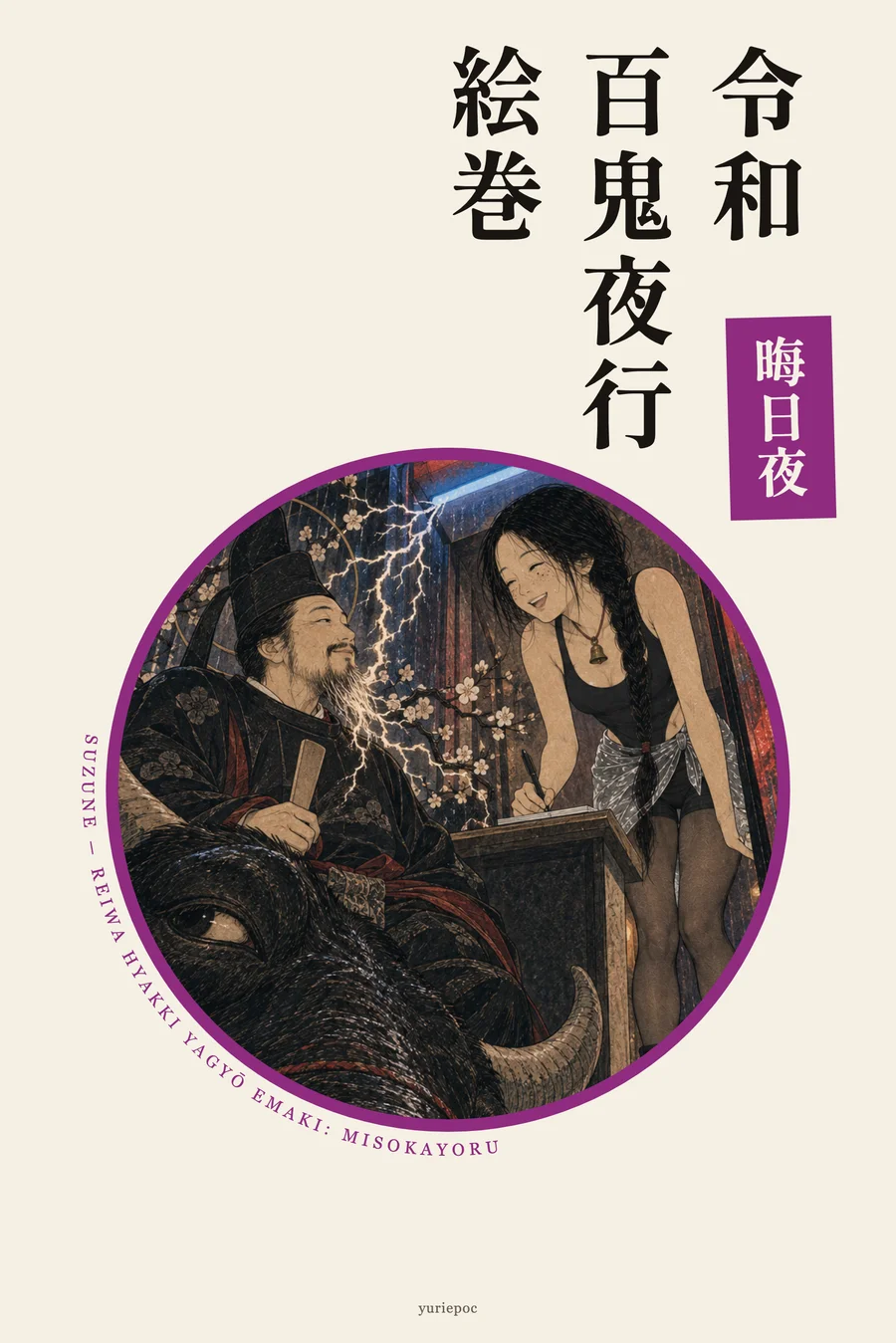
À propos de ce livre
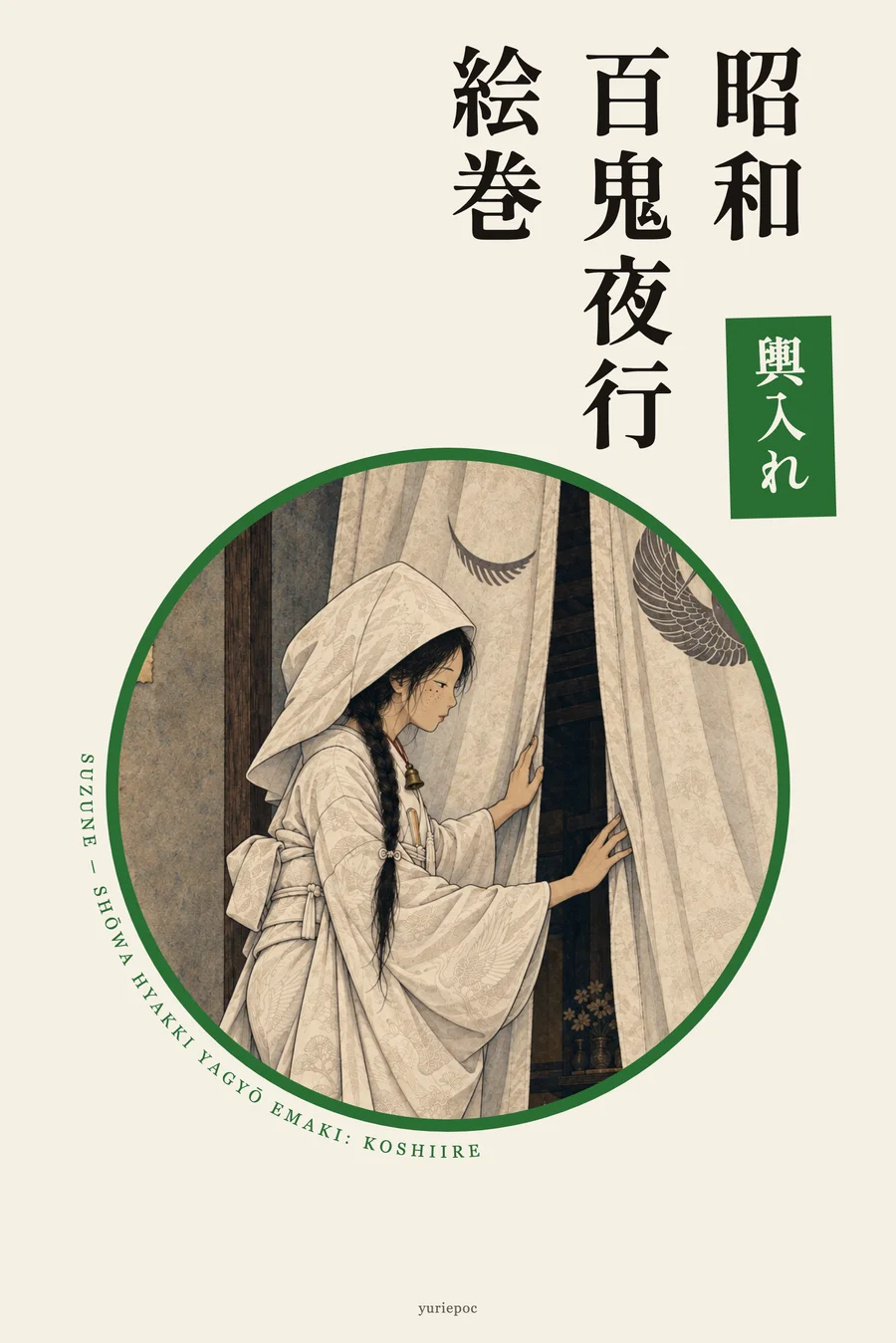
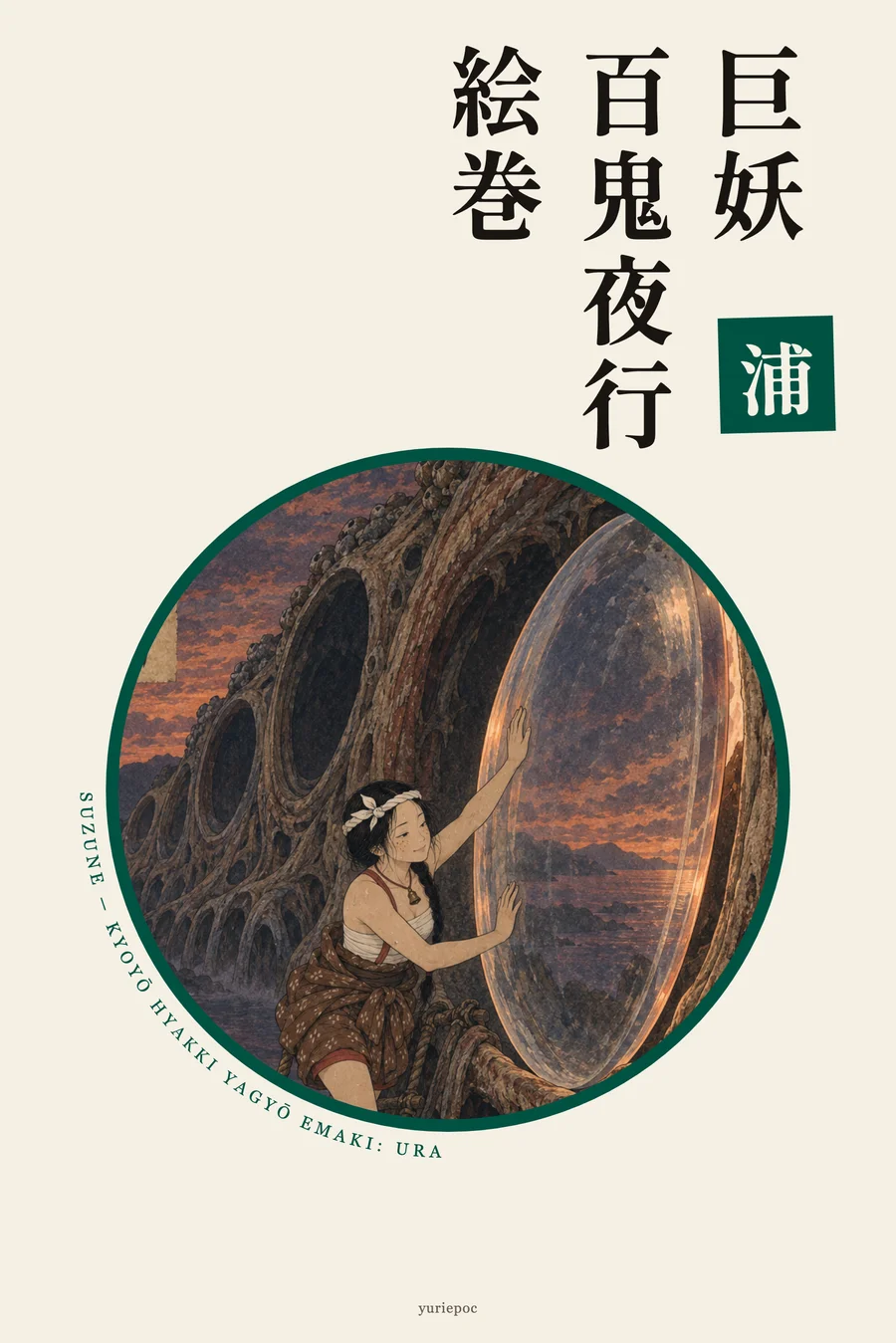
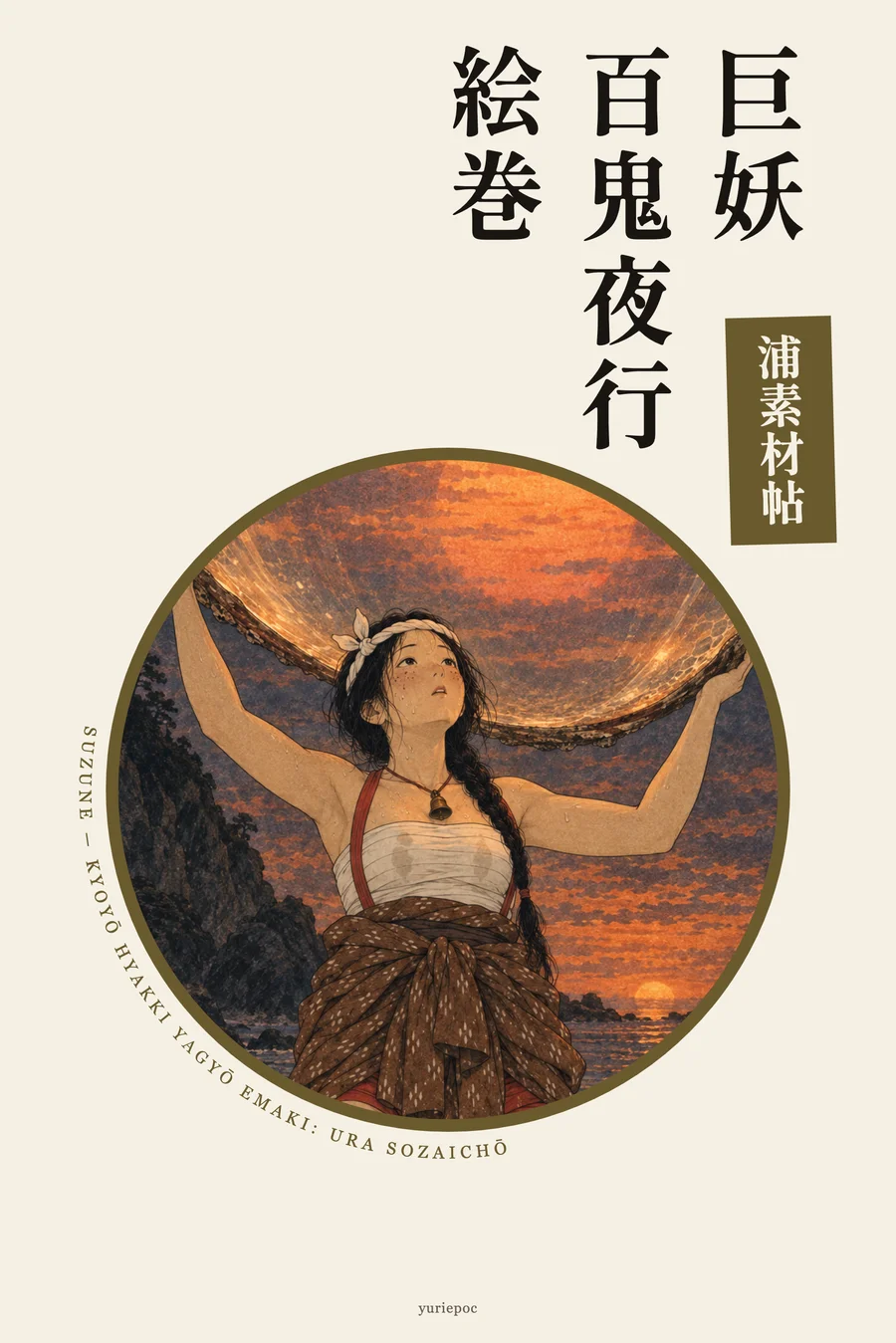
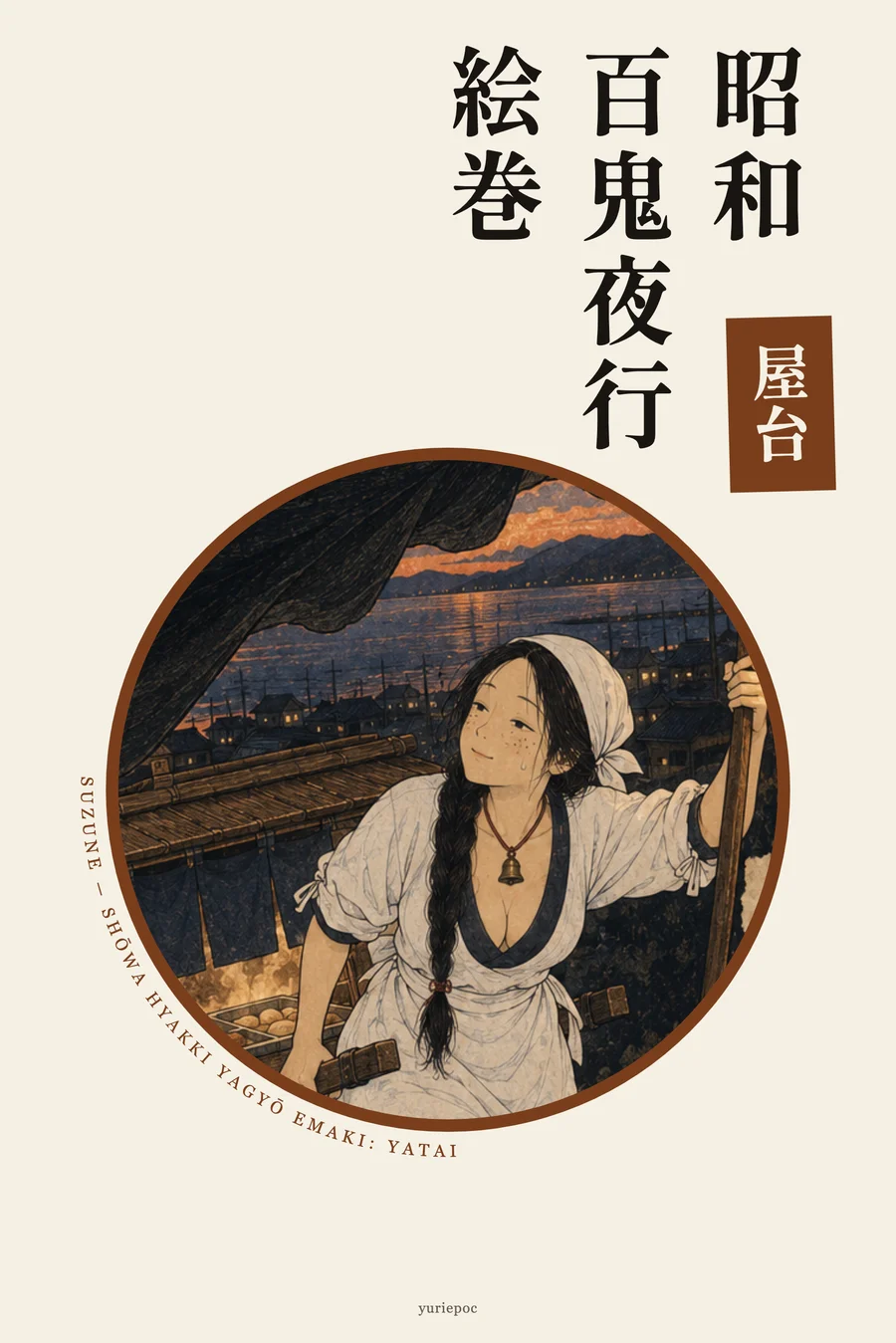
La nuit du 31 décembre, cent dieux se rassemblent dans un club.
Suzune tient la liste des invités à l’entrée. Elle écrit sur un papier le nom de chaque dieu qui arrive, un par un. Sugawara no Michizane, accompagné du bœuf du prunier volant. Tenkai, qui s’installe au comptoir d’accueil. Nezumi Kozō, le voleur au grand cœur. La plupart étaient autrefois des humains, et sont aujourd’hui des dieux vénérés dans des sanctuaires et des temples. Un dieu que de moins en moins de gens vénèrent finit par devenir une sorte de yōkai. Mais cette nuit-là, les dieux ne font pas peur. Ils se lâchent, dansent et s’amusent avec Suzune.
La scène est un club de l’ère Reiwa. Ouverture à neuf heures du soir, fermeture à cinq heures du matin. Sous la boule à facettes, au bar, sur les canapés VIP, à la porte de service de la cuisine, dans l’escalier de secours. À chaque endroit, le dieu change, et Suzune, en faisant tinter la clochette rouge à son cou, traverse la nuit en riant. À la planche 100, le coq chante, et les dieux rentrent dans leurs sanctuaires.
100 planches, 204 pages. En face de chaque planche sont écrits, en japonais et en anglais, l’origine du dieu, la manière de le reconnaître et la conduite à tenir. Le texte est écrit en mots simples, pour être lu sans bien connaître l’histoire du Japon.
Planches d’exemple
-
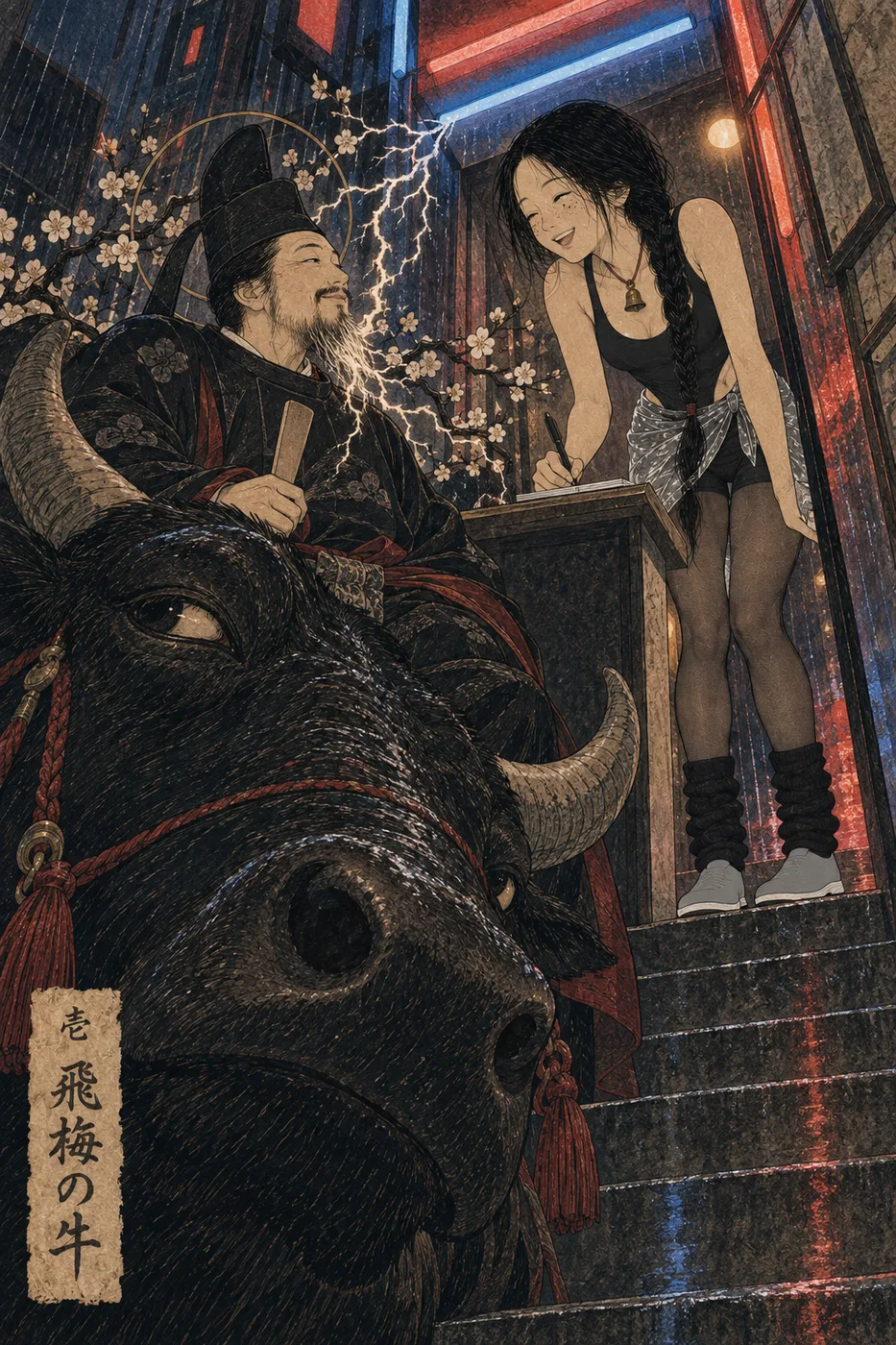
Planche 1
The Ox That Lights the Neon
飛梅の牛Tobiume no Ushi
Origine
Michizane Sugawara, the god Tenjin, has come as Tobiume no Ushi, riding an ox. He was exiled to Dazaifu for a crime he did not commit.
天神の菅原道真が、牛にまたがる飛梅の牛になって来た。道真は無実の罪で大宰府に流された。
-
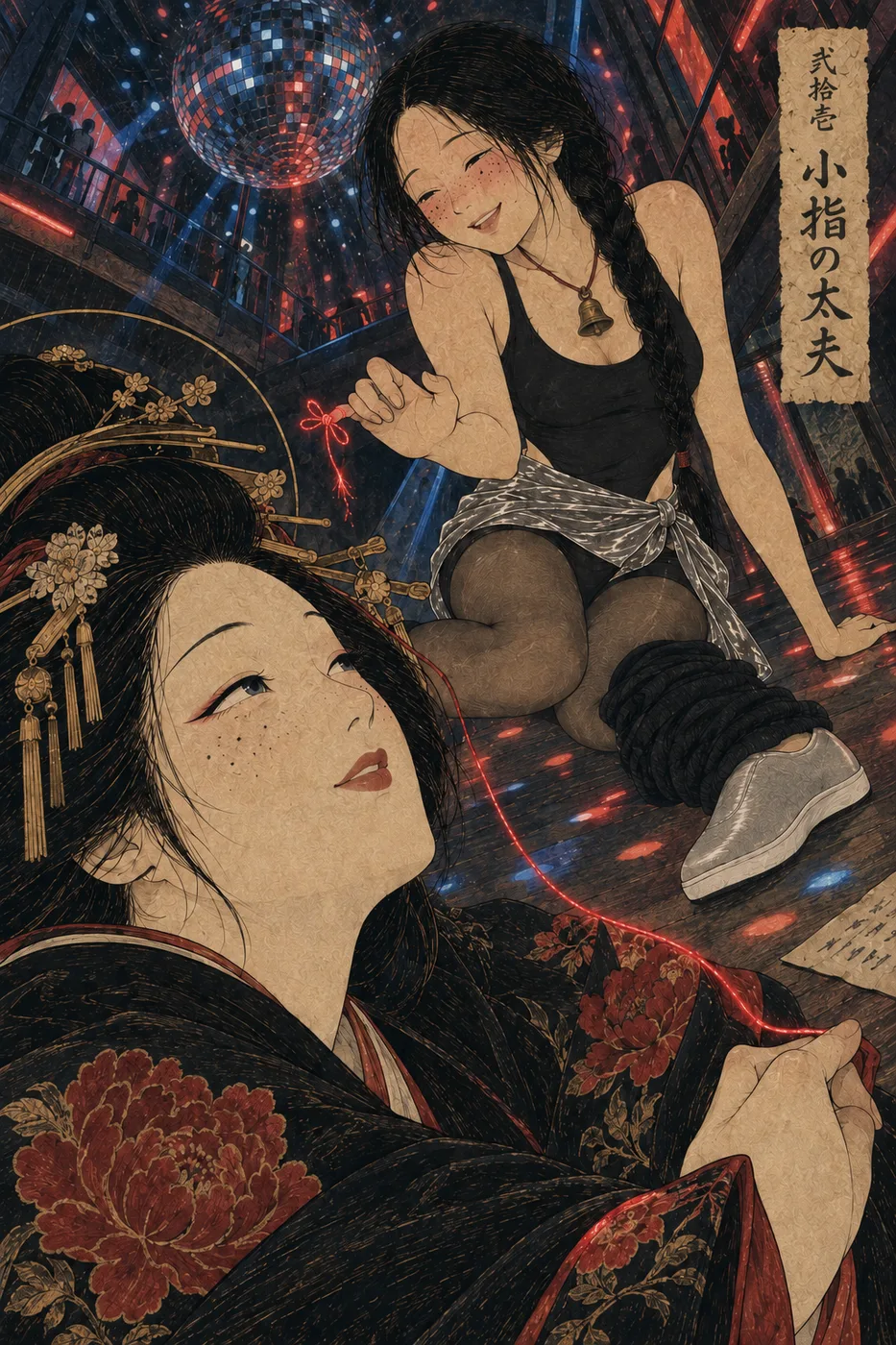
Planche 21
The Courtesan of the Red Thread
小指の太夫Koyubi no Tayū
Origine
Takao Dayū was the highest-ranking courtesan in Yoshiwara in Edo. She is enshrined at Takao Inari Shrine and was trusted as a deity who ties and cuts bonds between people.
高尾太夫は、江戸の吉原にいた最高位の遊女である。高尾稲荷神社に祀られ、縁結びと縁切りの神として信じられた。
-
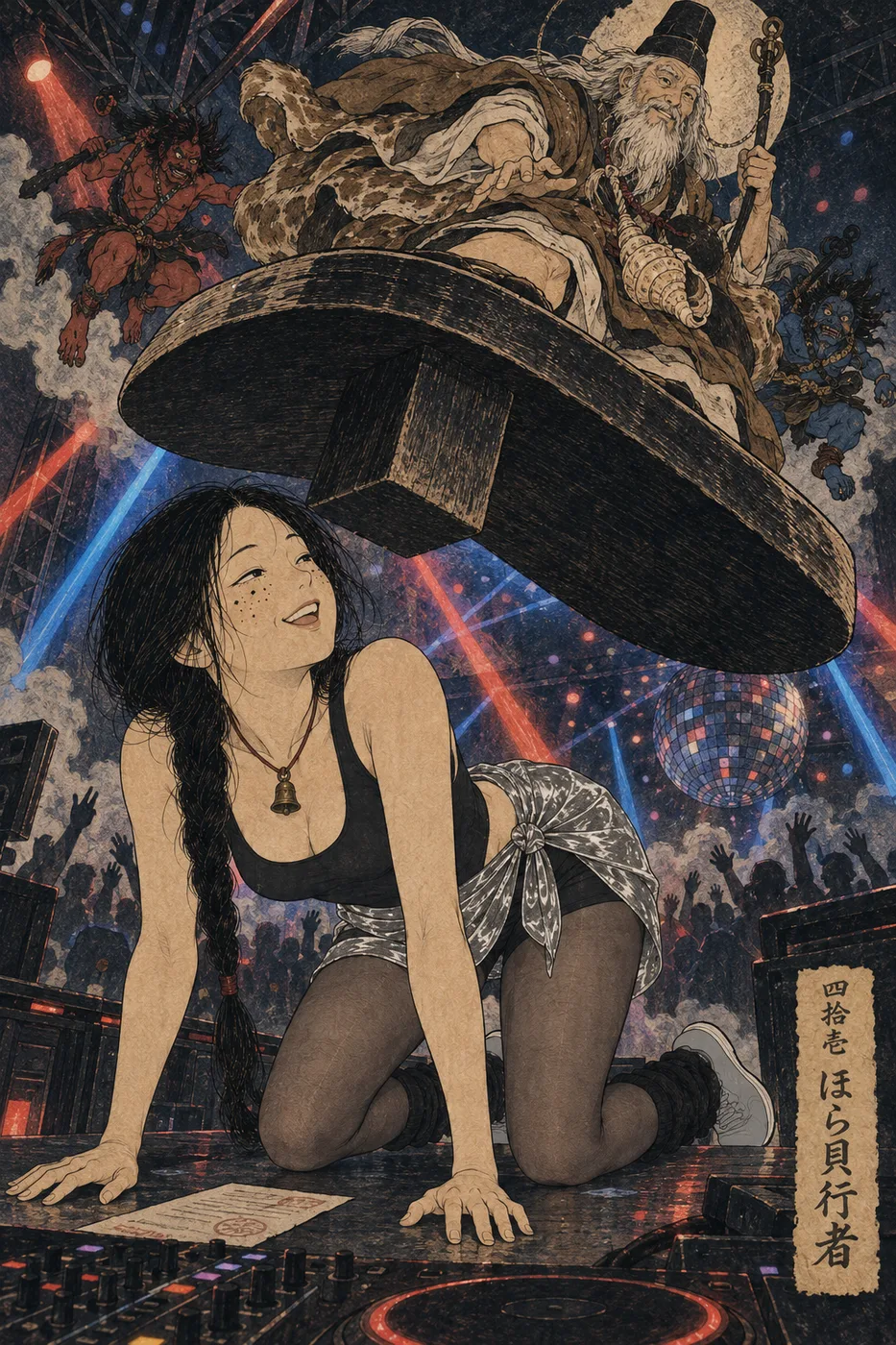
Planche 41
The Ascetic on a One-Toothed Geta
ほら貝行者Horagai Gyōja
Origine
En no Ozunu was a mountain ascetic of the Asuka period, honored as the founder of Shugendō. A tale says he commanded a pair of demons, Zenki and Goki.
役小角は、飛鳥時代の山岳修行者で、修験道の開祖と敬われている。夫婦の鬼、前鬼と後鬼を従えた話がある。
-
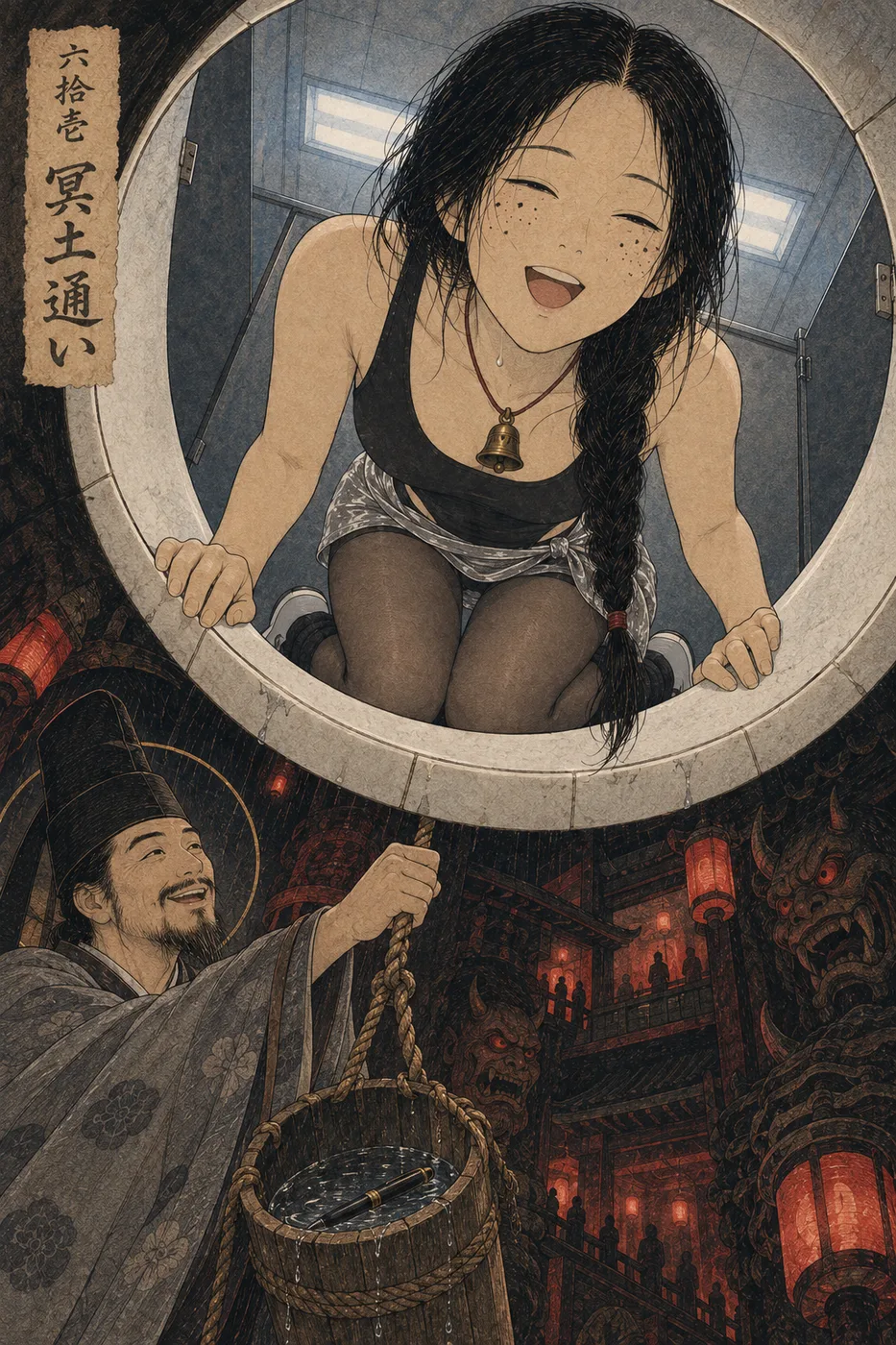
Planche 61
The Official Who Commutes to the Underworld by Well
冥土通いMeidogayoi
Origine
Ono no Takamura was a Heian official who is told to have gone down a well every night to the court of Enma, the king of the dead, and the well is kept at Rokudo Chinno-ji in Kyoto. Because he commuted to the underworld, the lower half of his body turned into a well.
小野篁は、夜ごと井戸から閻魔の役所へ通ったと語られる平安時代の役人で、京都の六道珍皇寺にその井戸が伝わる。冥土に通う人なので、下半身が井戸に変わった。
-
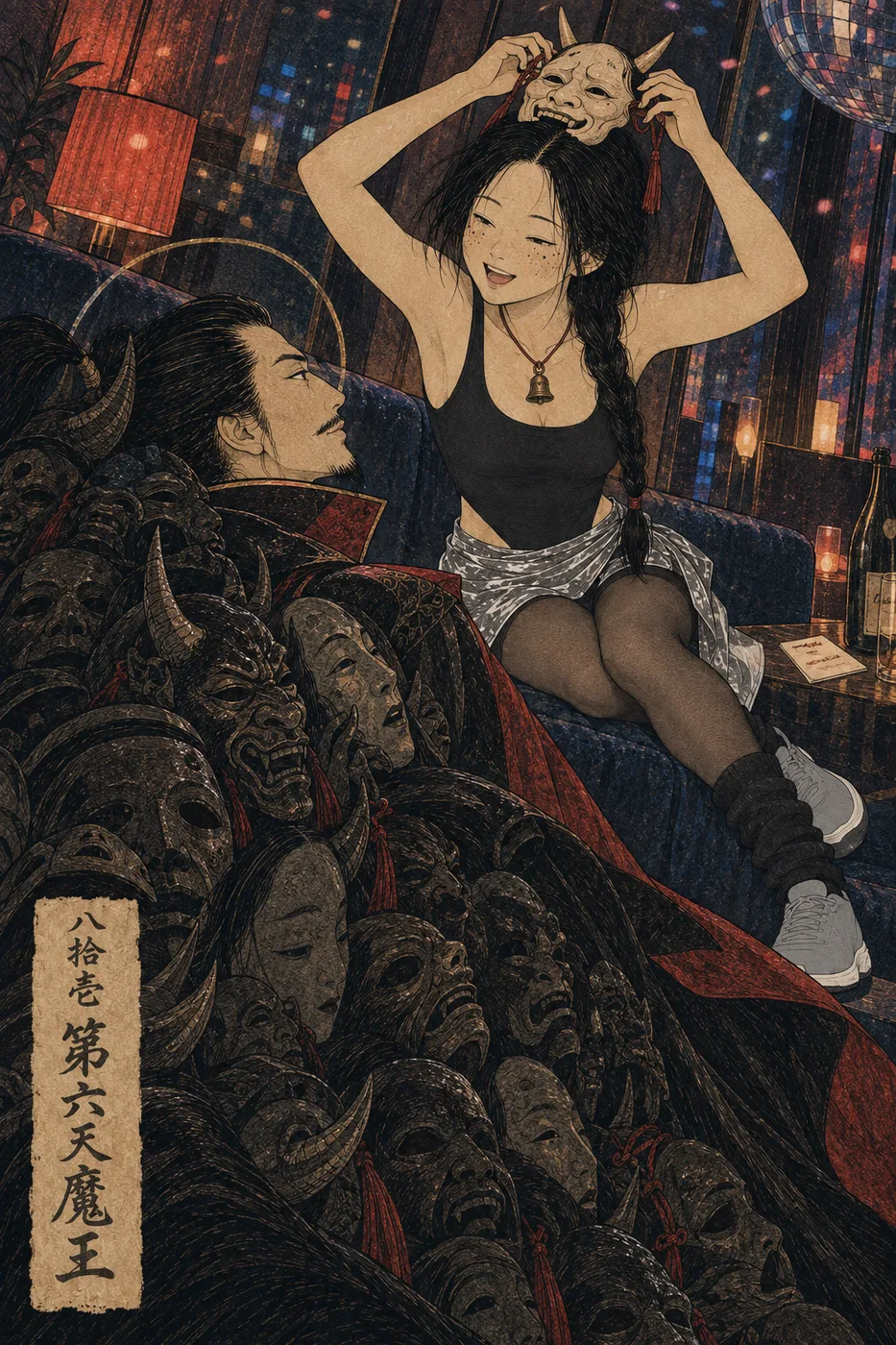
Planche 81
The Demon King With a Hundred Masks on His Back
第六天魔王Dairokuten Maou
Origine
Oda Nobunaga was a warlord of the Sengoku era who rose from Owari to the brink of ruling the whole land, and it is told that he called himself the "Demon King of the Sixth Heaven." He is enshrined at Kenkun Shrine in Kyoto. Because he was a man people feared, a hundred masks grew on his back.
織田信長は、尾張から天下に迫り、「第六天魔王」と名乗ったと語られる戦国の武将で、京都の建勲神社に祀られる。恐れられた人なので、背中に百の面が生えた。
Autres livres