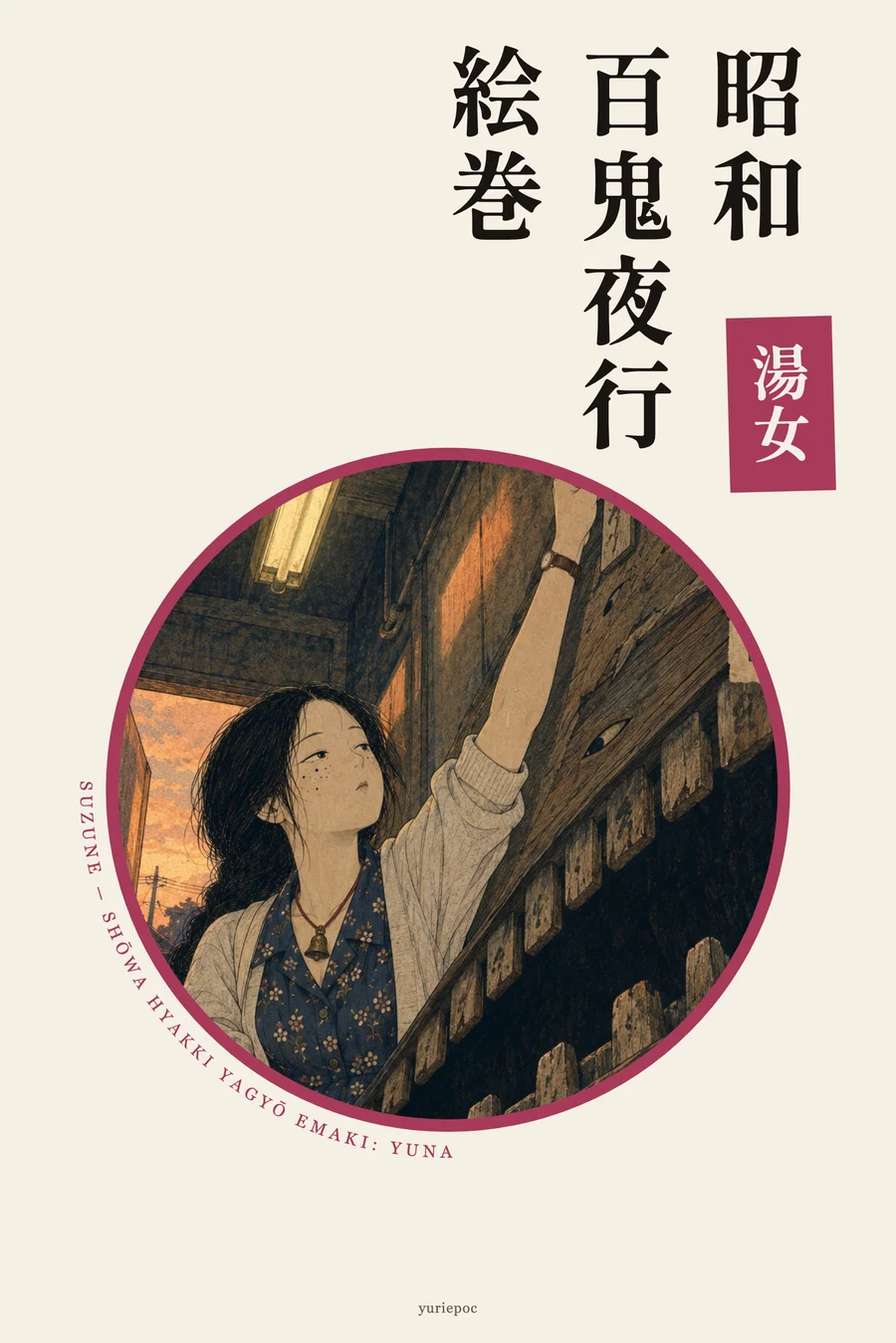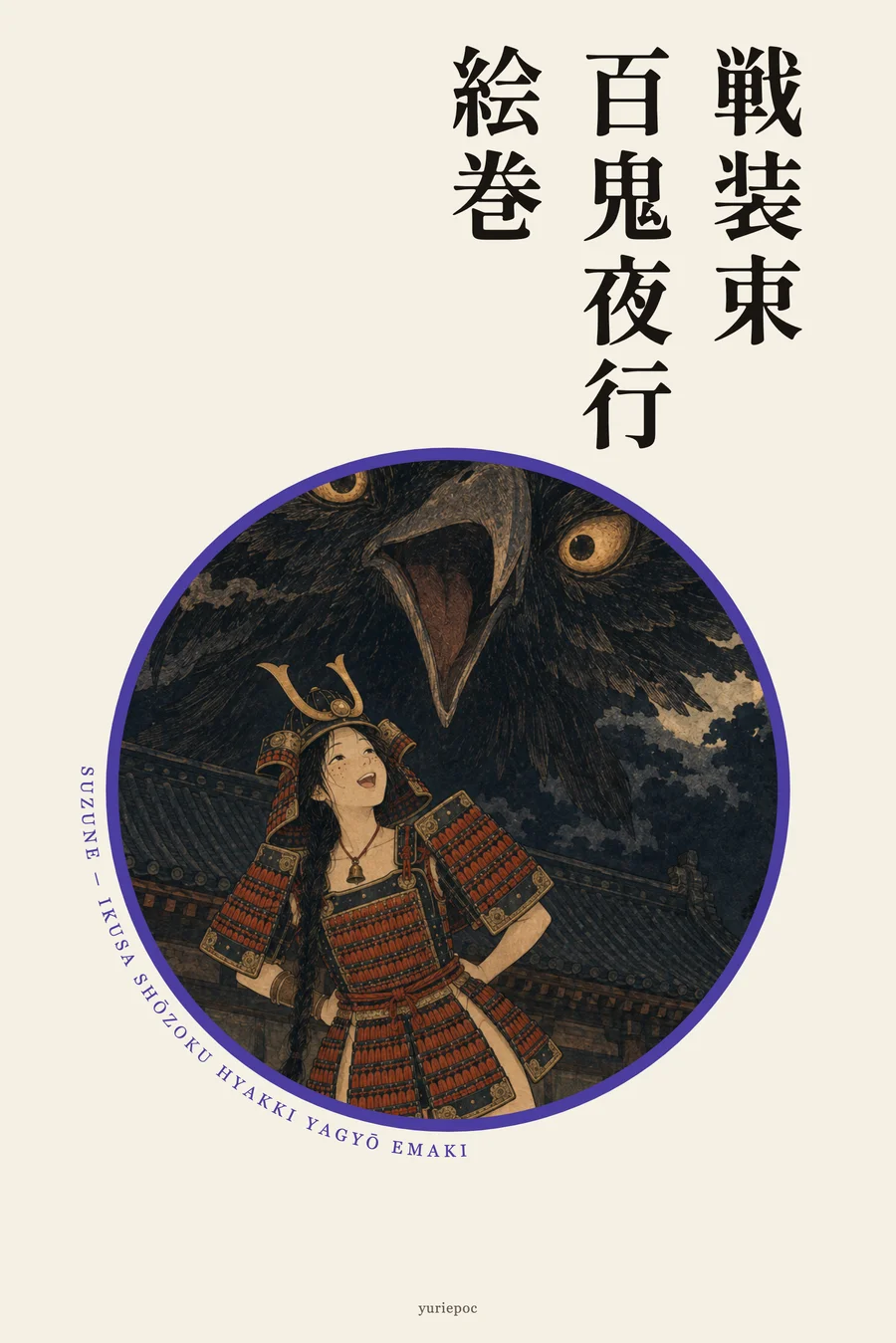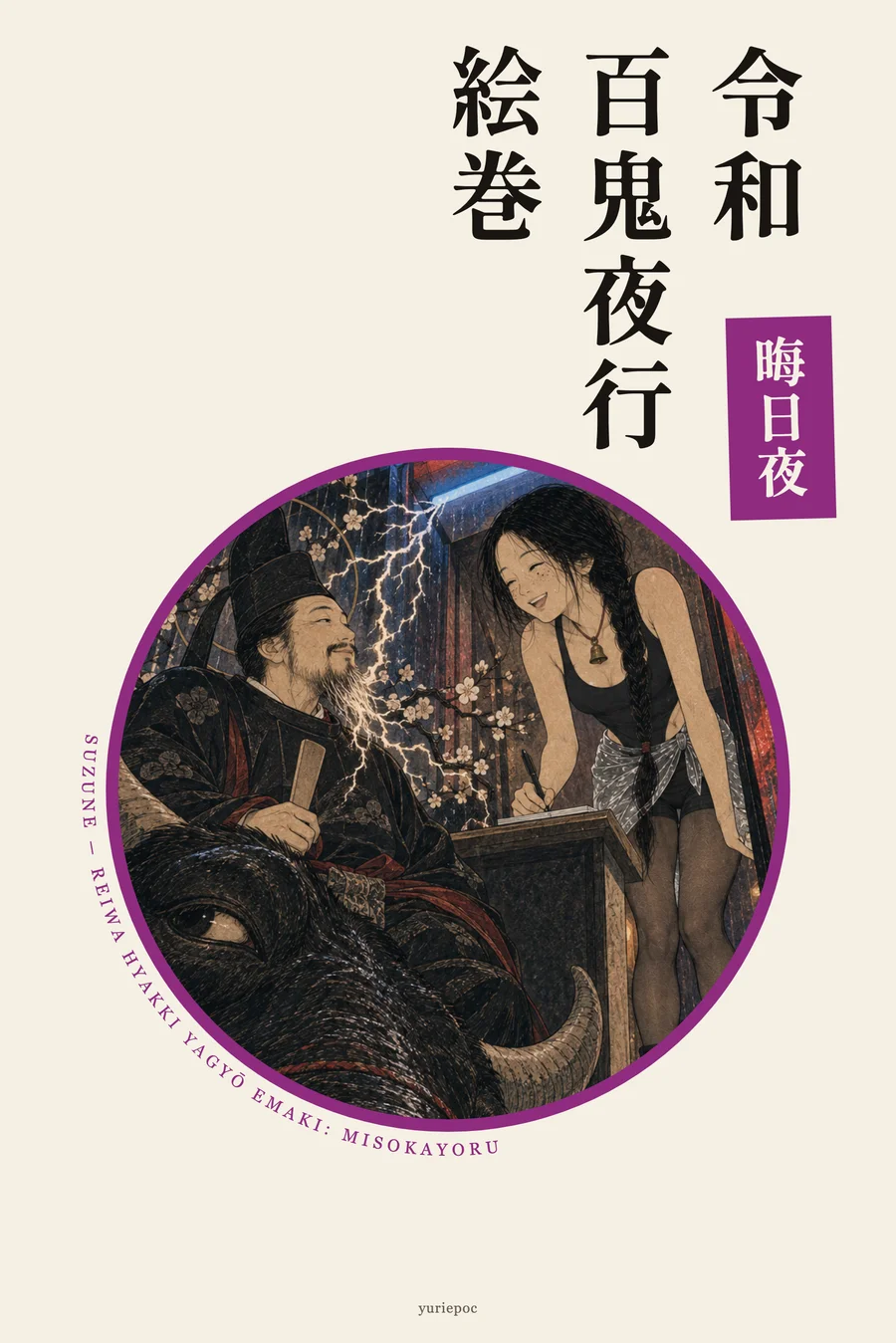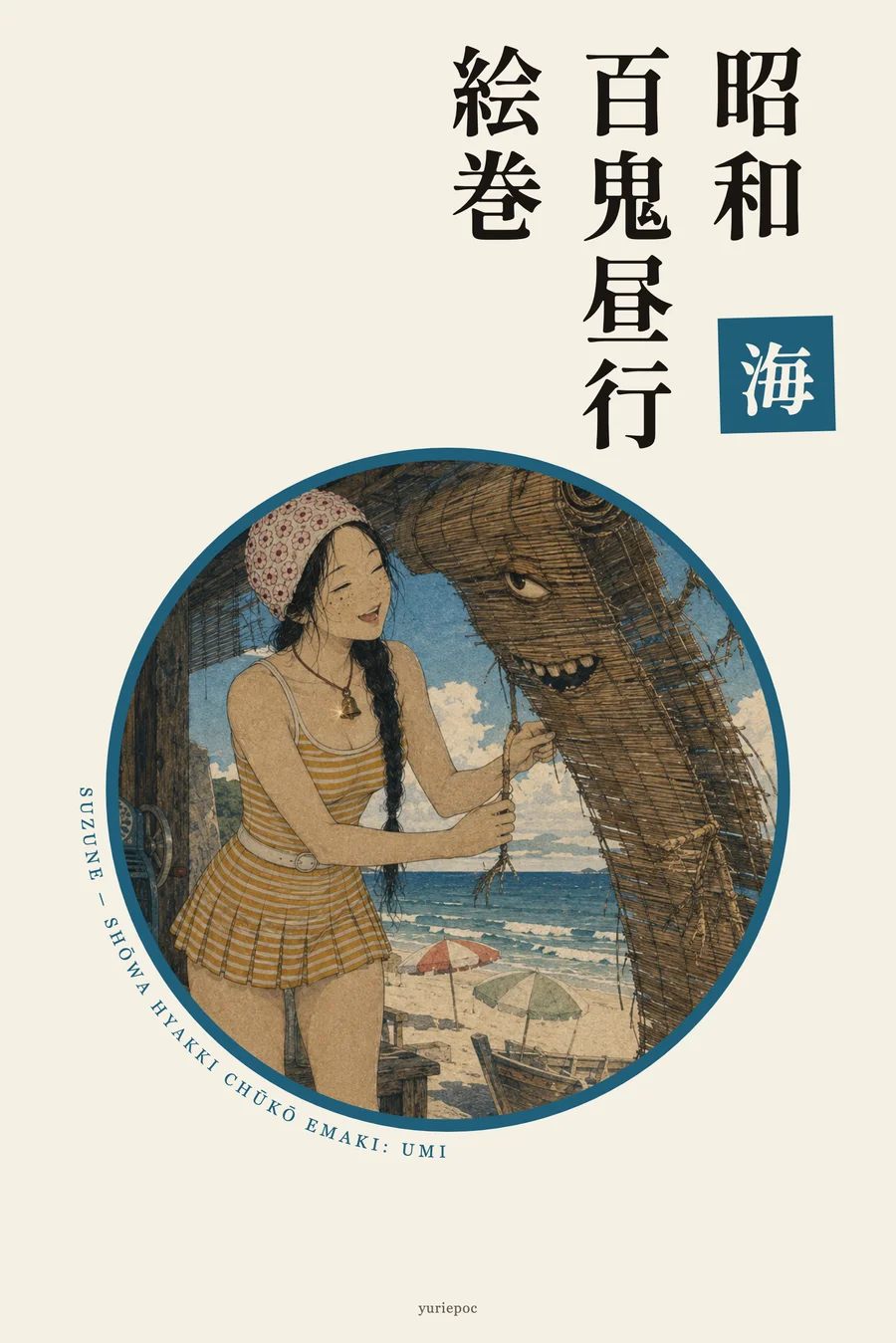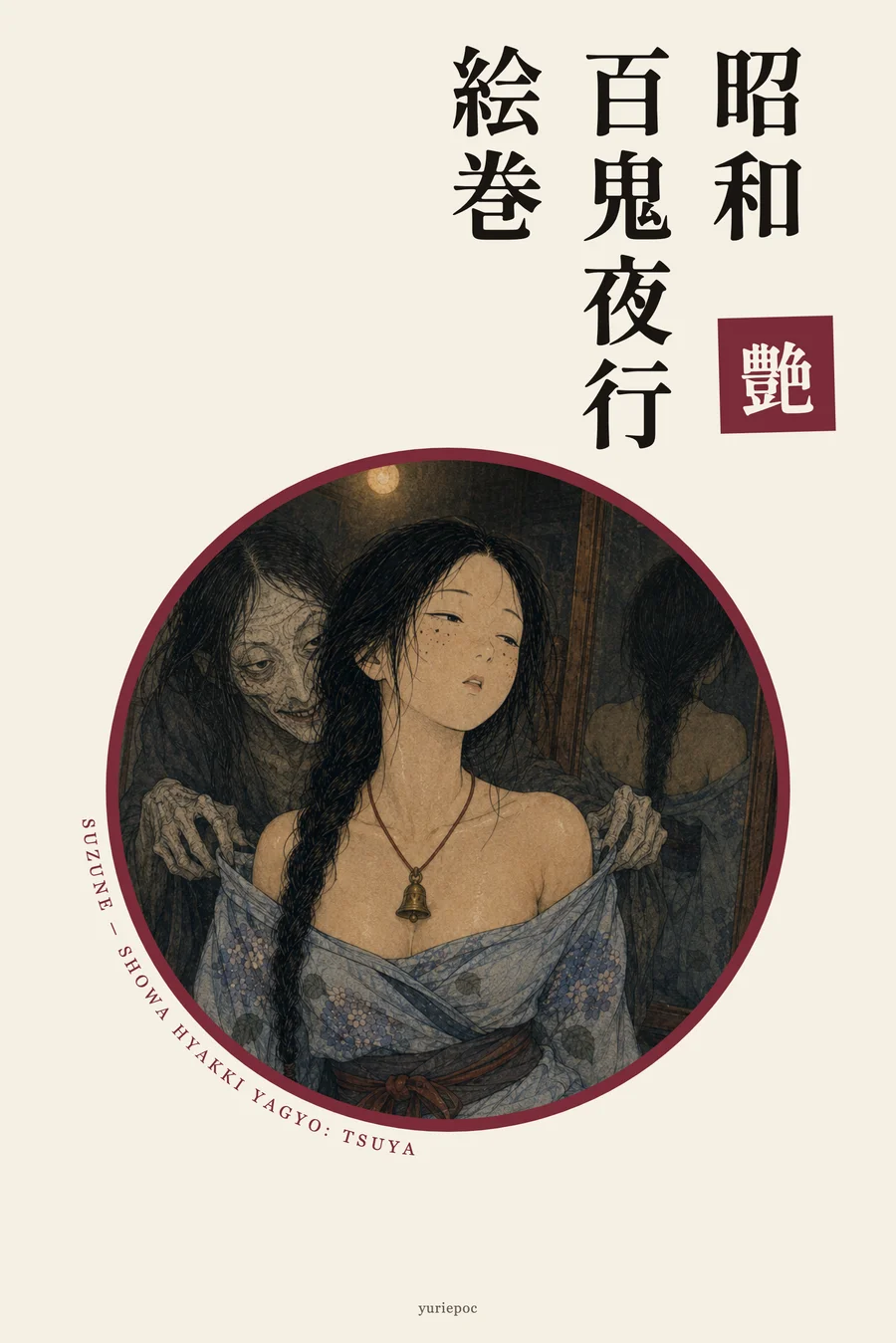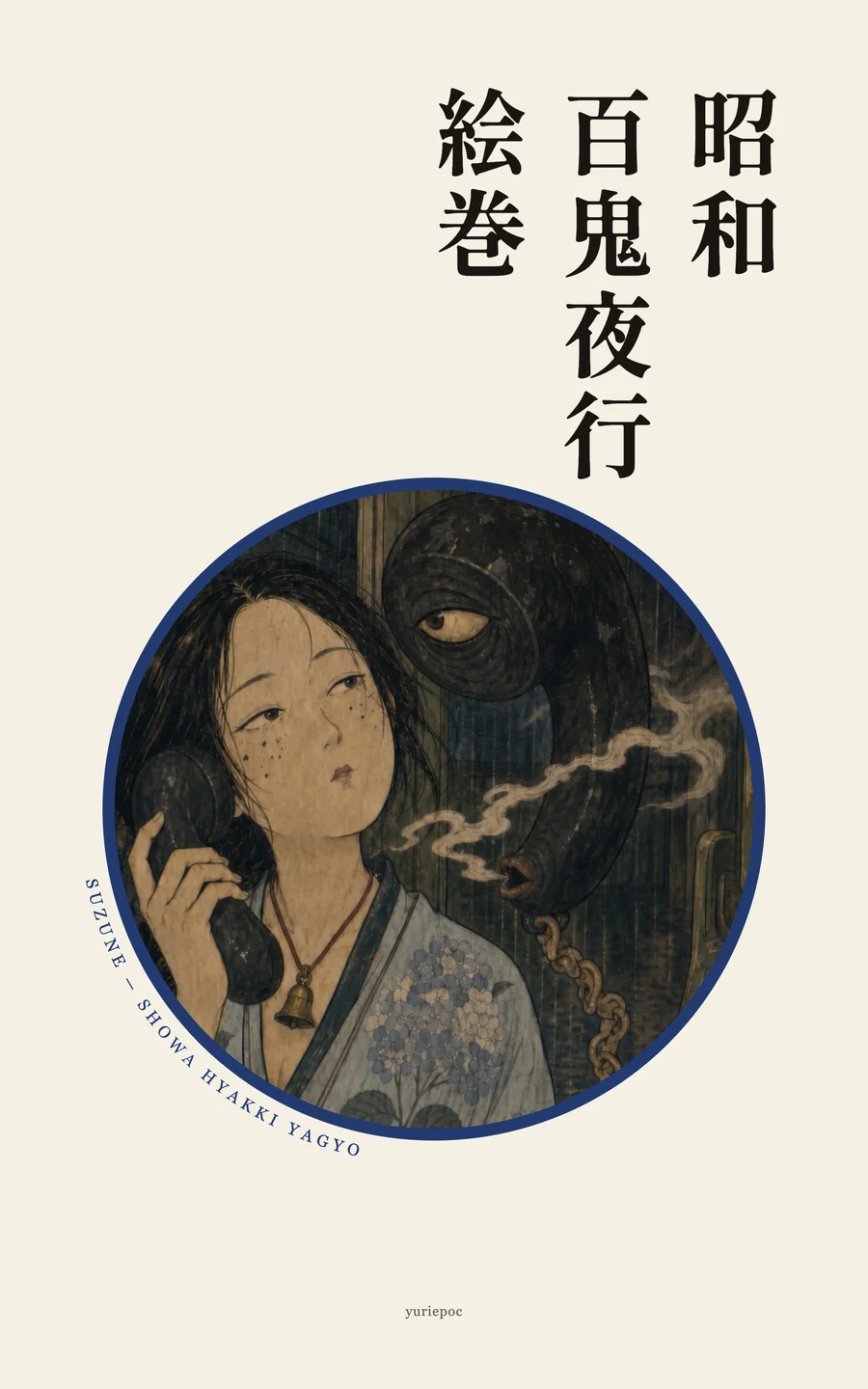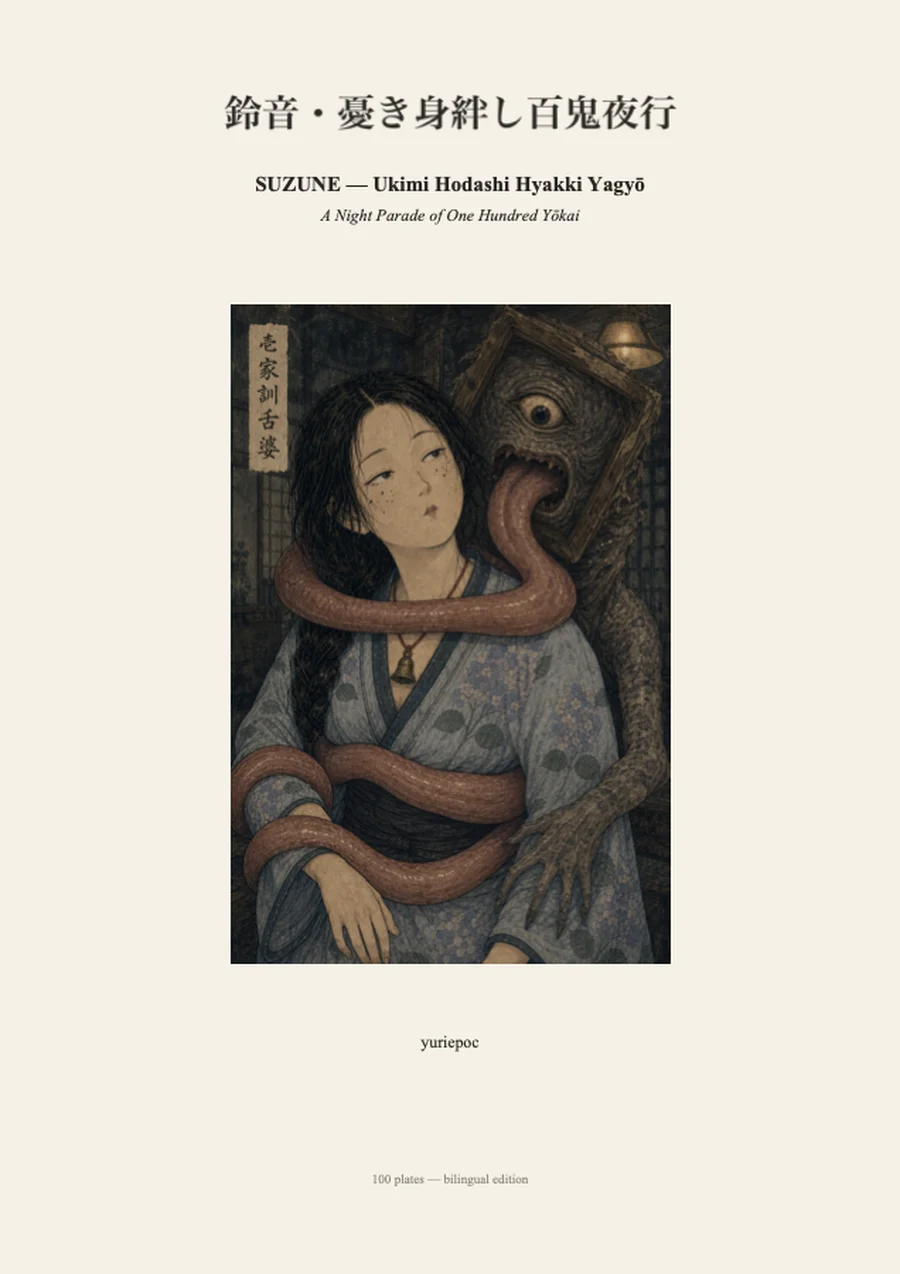
Sobre este libro
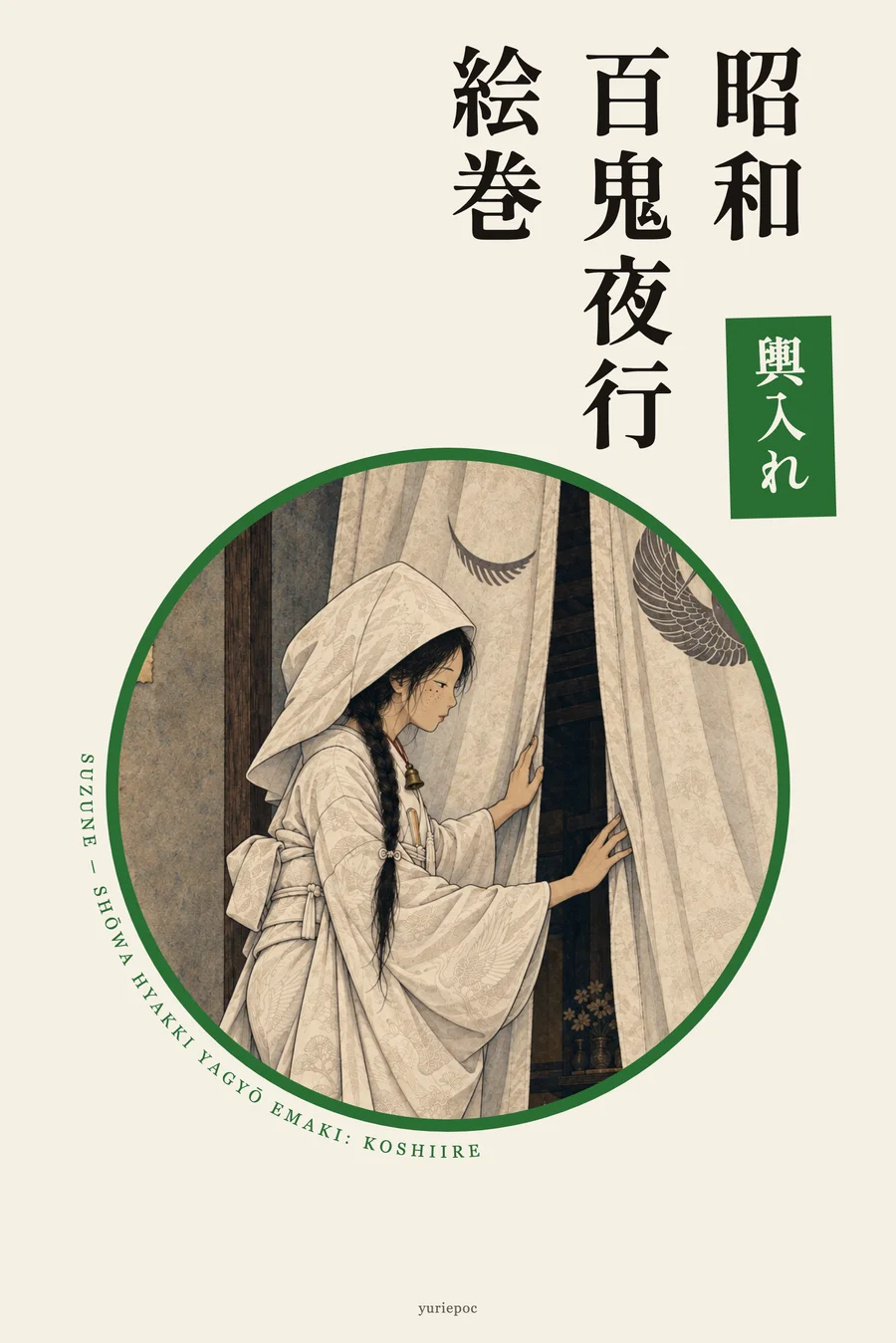
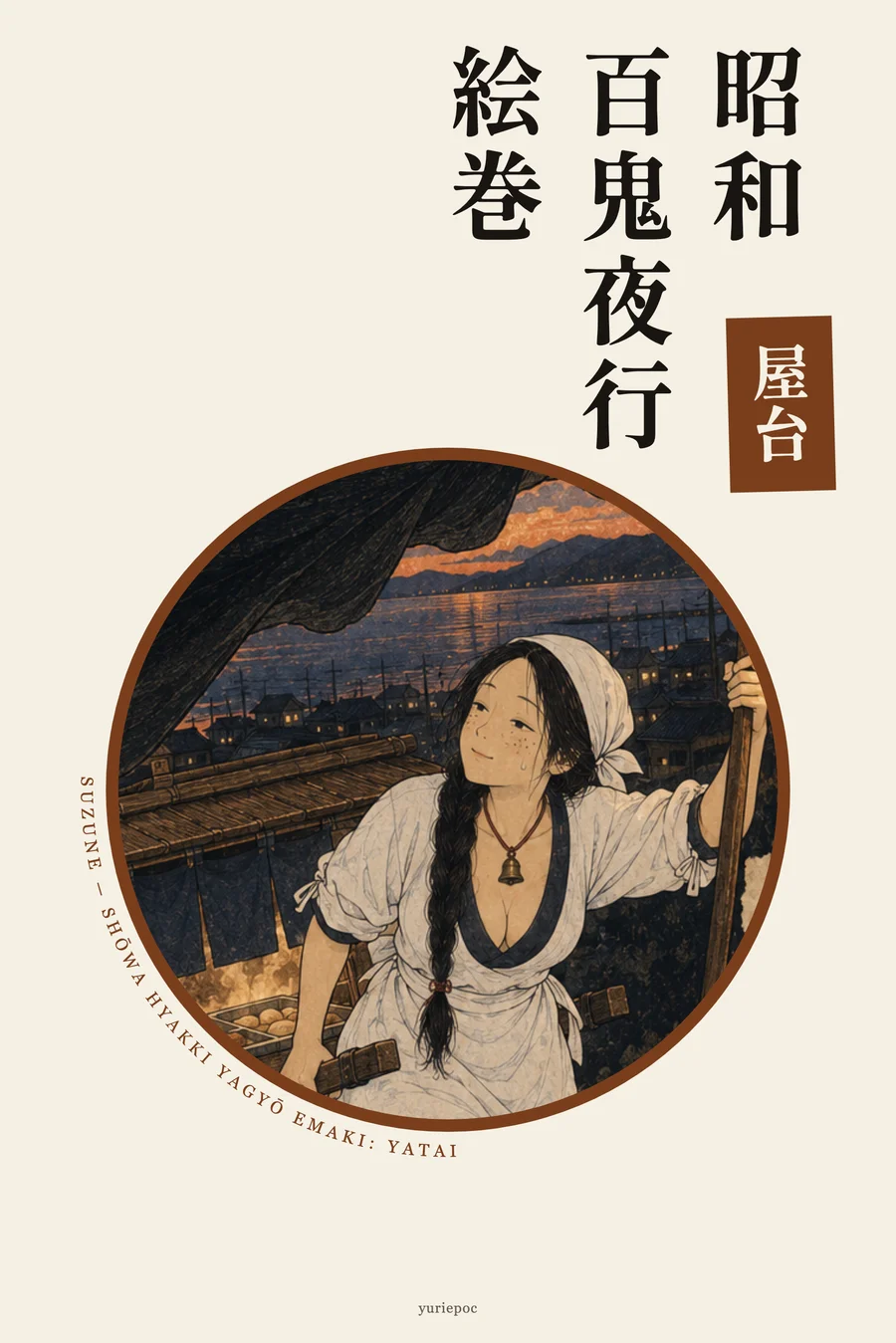
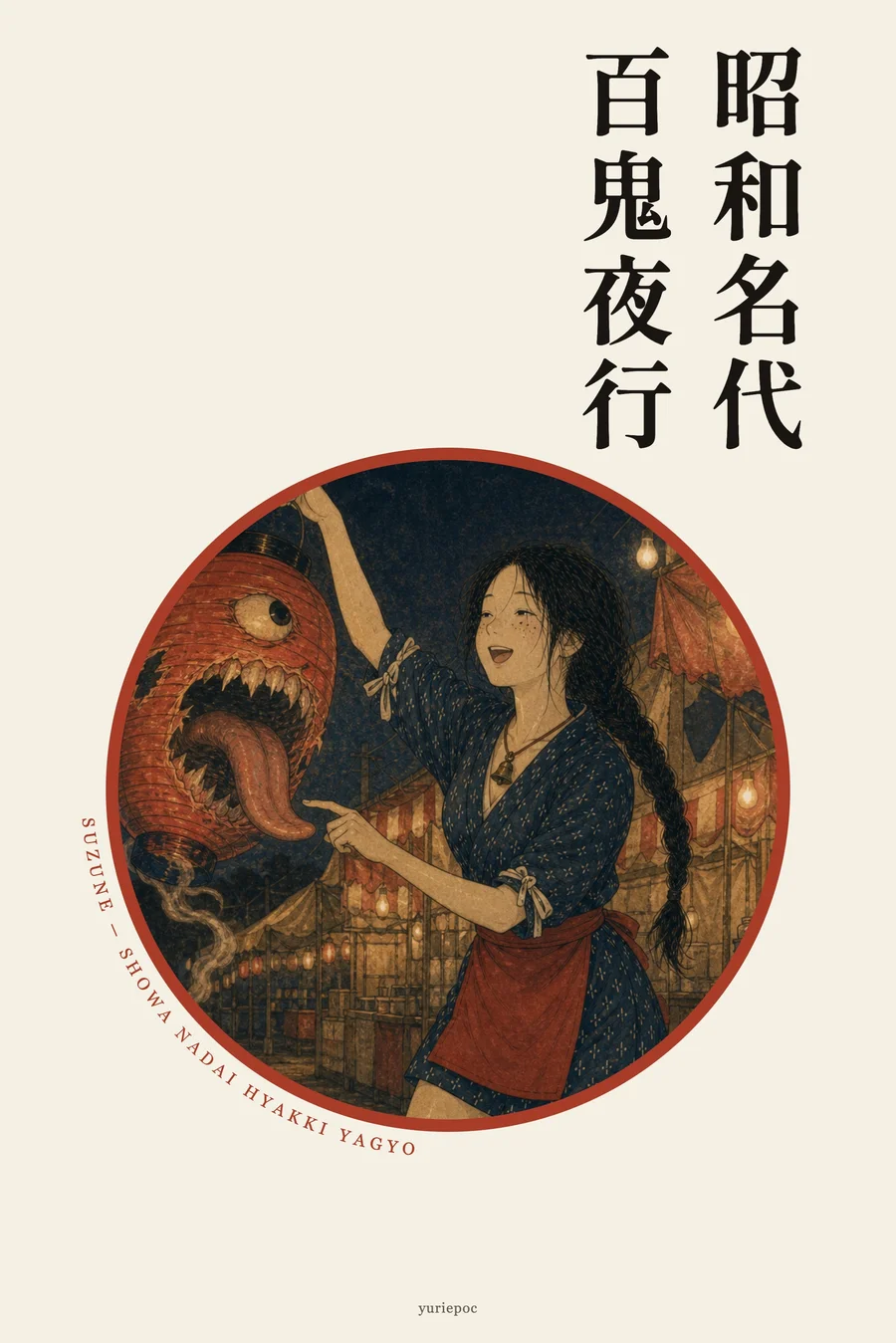
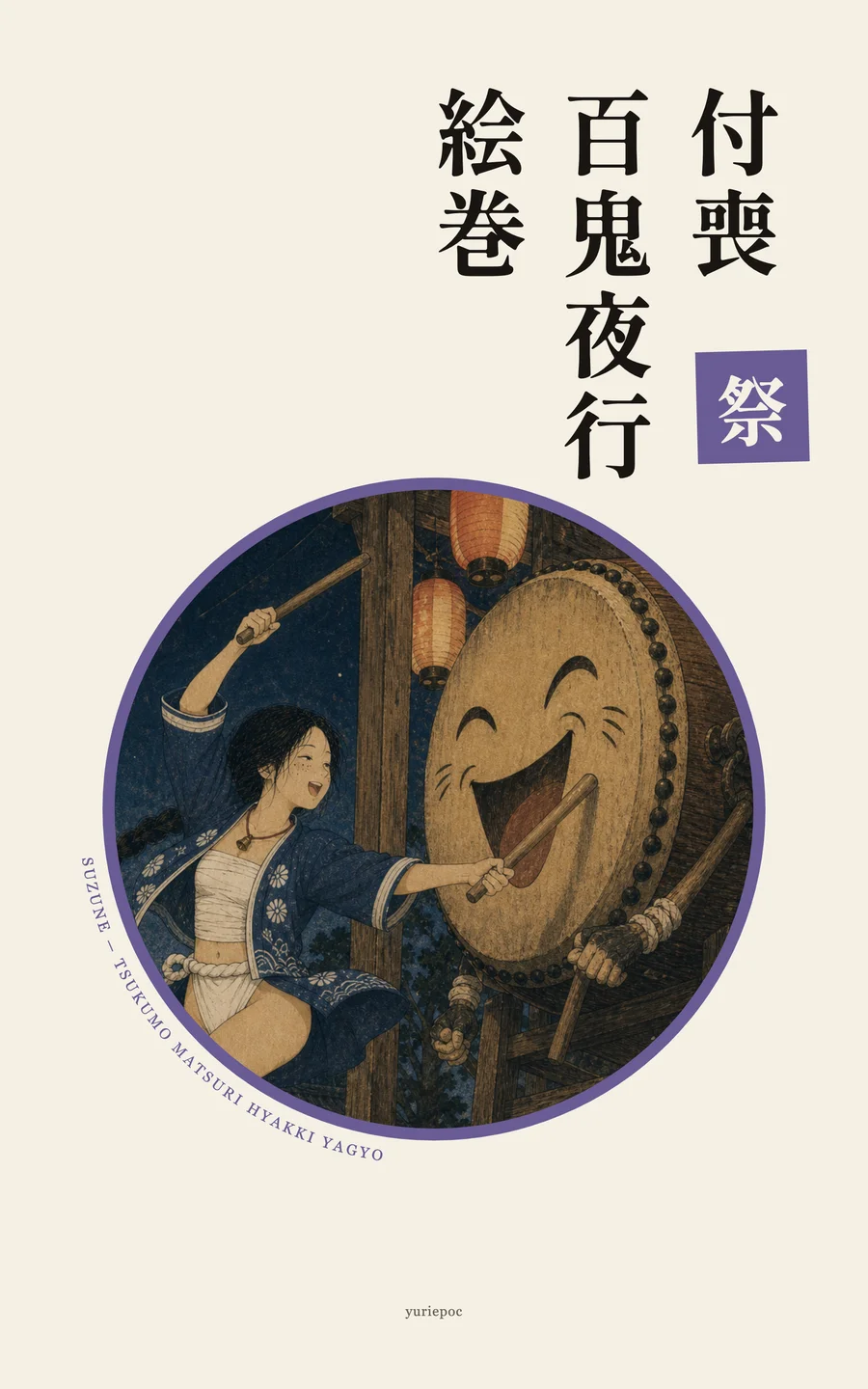
En la noche de la fiesta, los objetos ríen. El gran tambor de la víspera da solo el primer golpe, el pórtico torii se agacha queriendo que pasen por debajo, el farol viejo infla su vientre de papel y se echa a reír. La vieja promesa de los tsukumogami —que las herramientas muy usadas acaban despertando— se cumple de una vez, en cien formas, en una noche de fiesta de los años 30 de Shōwa. Este desfile no da miedo. Se ríe.
La escena es una noche de fiesta en un pueblo. De los cien, treinta y seis son tsukumogami de la tradición que dejaron dibujados los artistas de Edo, y sesenta y cuatro son nuevos, nacidos para esta fiesta. La joven no huye. Con el atuendo de fiesta —chaqueta happi, tela de pecho y taparrabos rokushaku—, responde al tambor con el tambor, a la cuerda con el tira y afloja y a la caja de sorteos con todos los números. Una noche en que yōkai y personas ríen al mismo compás solo llega una vez cada cien años.
Hasta una noche de risas tiene su mañana. En la última lámina está «Kosuzu», el último grano del soporte de campanillas de kagura, que tiene el oficio de dar la última sacudida de la noche. La joven toma la campanita de su propio cuello y suma su sonido en voz baja. La fiesta termina y los objetos vuelven a ser simples herramientas. Si lo que sigue sonando es el sonido de los cien objetos o el de la campanita de su pecho, solo lo sabrá quien llegue hasta la última página.
Láminas de muestra
-
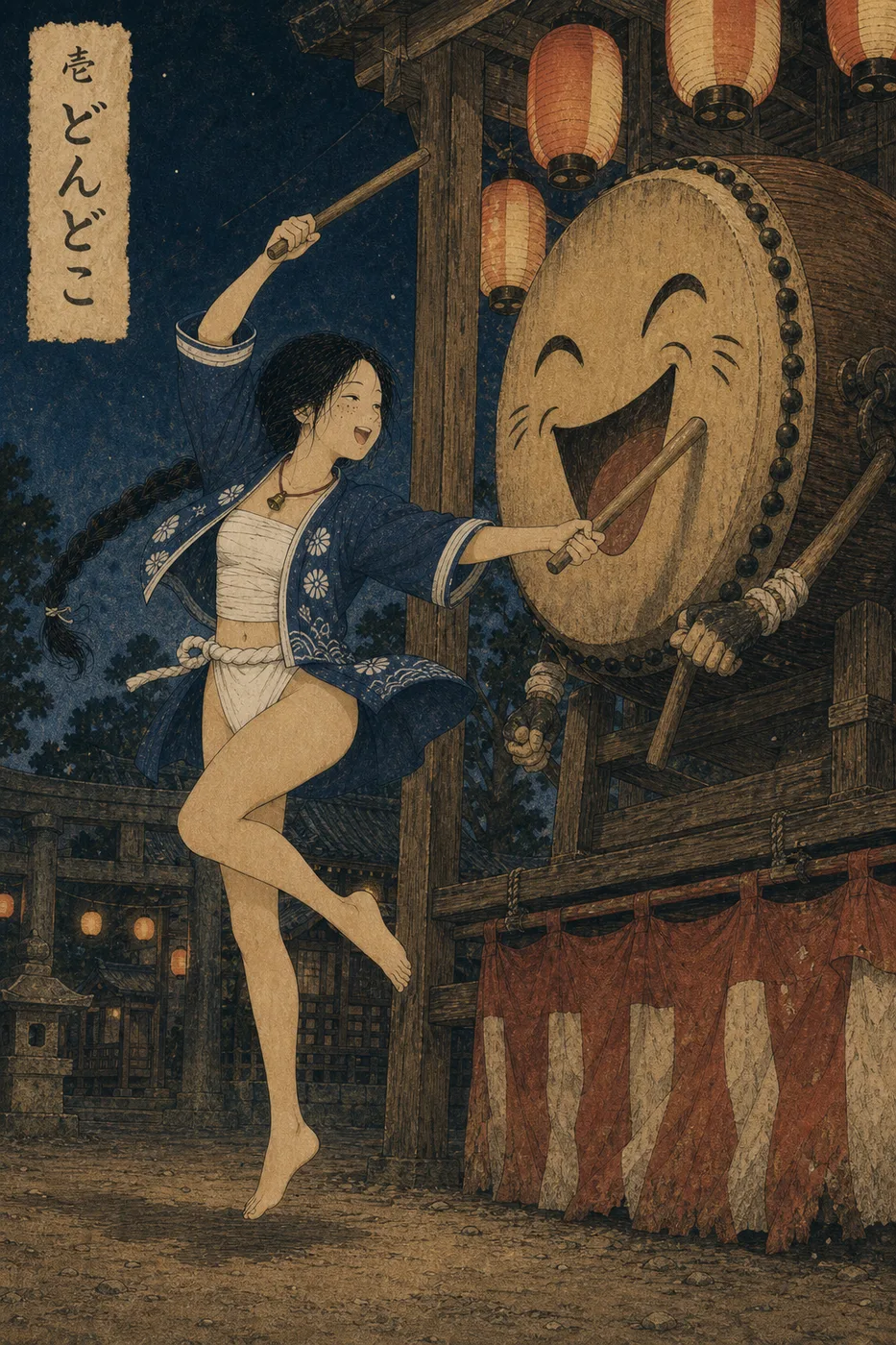
Lámina 1
The Self-Beating Drum
どんどこDondoko
Origen
Dondoko lives inside the festival drum at the evening shrine fair. Every strike soaks into the drumhead as rhythm, and on a night with no one around, the hoarded rhythm spills out as laughter.
どんどこは、宵宮の太鼓にいる妖怪である。打たれるたび拍子が皮の内にたまる。
-
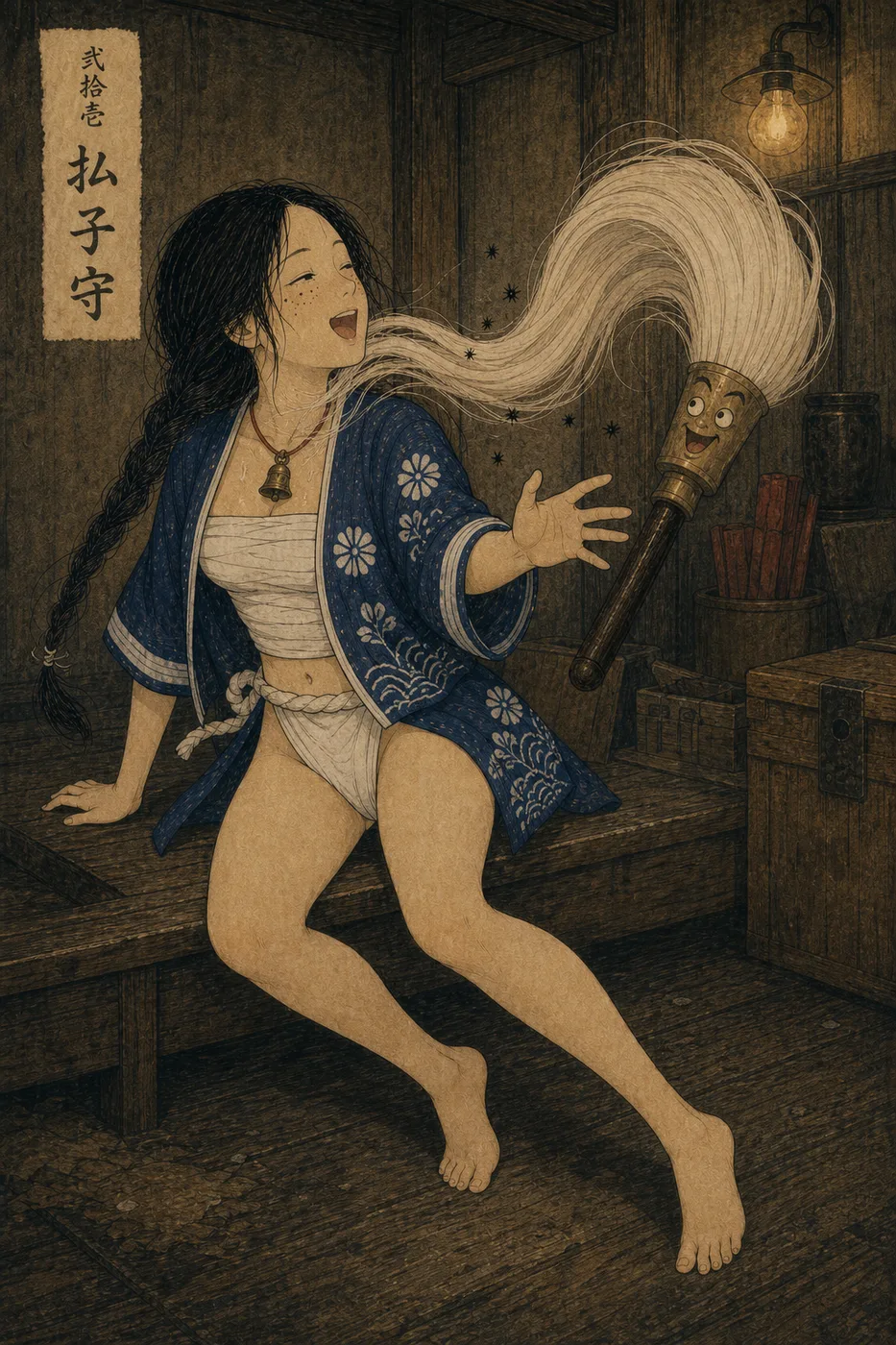
Lámina 21
The Fly-Whisk Guardian
払子守Hossumori
Origen
The hossu whisk absorbed every held-back laugh at each memorial service, tremor by tremor, into its bristle tips. Instead of sweeping away evil, it gathered people's laughter. That is how Hossumori was born.
払子守は、法要でこらえた笑いを毛先に吸い続けた払子が生まれた妖怪である。祓うはずの魔を逃し、人の笑いを集めたくなった。
-
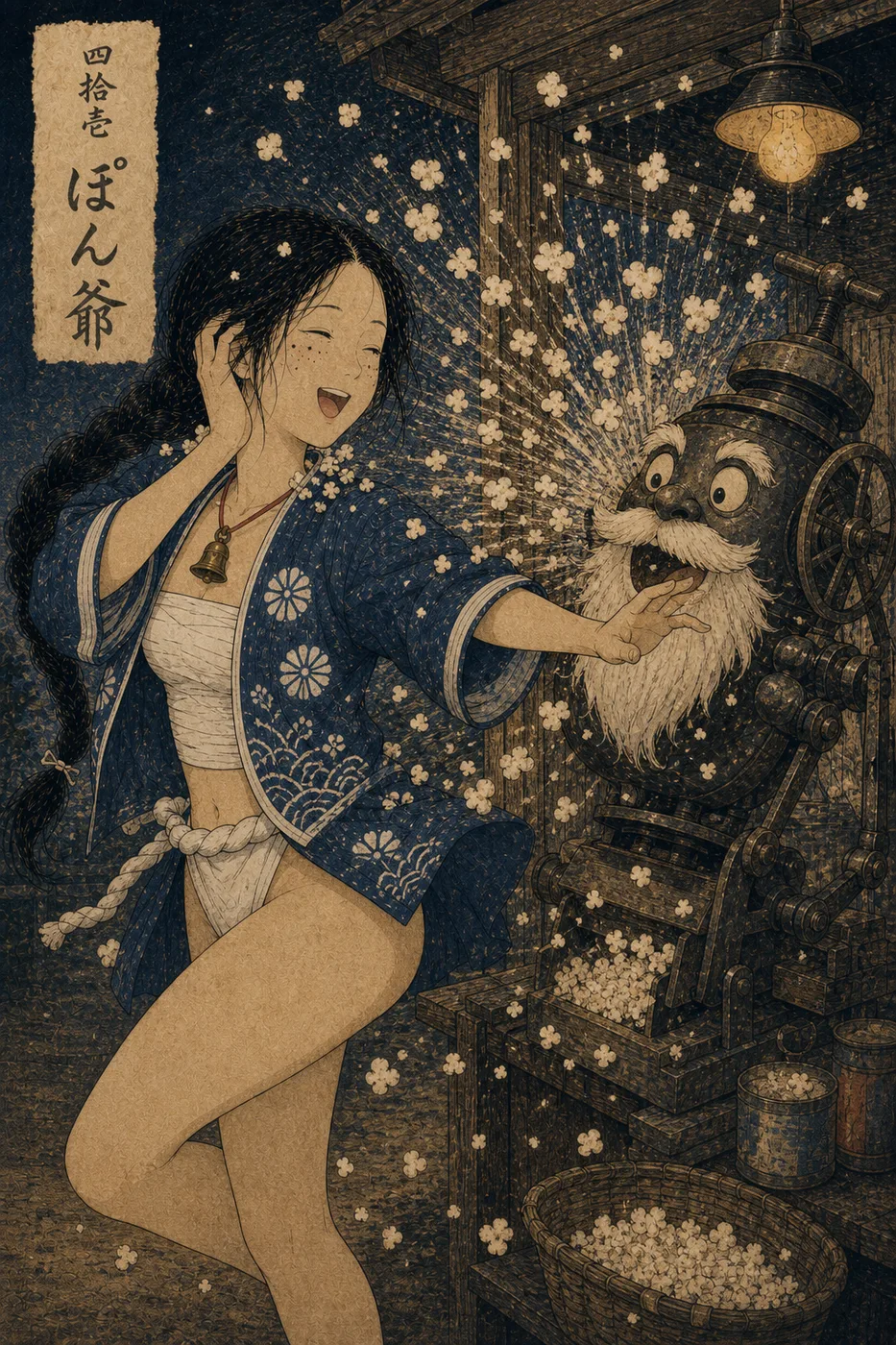
Lámina 41
The Popping-Rice Grandpa
ぽん爺Ponjii
Origen
Ponjii is a spirit living inside a rice-popping machine. Every time the grains were roasted, they held their voice and pressure inside.
ぽん爺は、米を弾く機械にひそむ妖怪である。米粒は火であぶられるたび声を殺して圧をため込んだ。
-
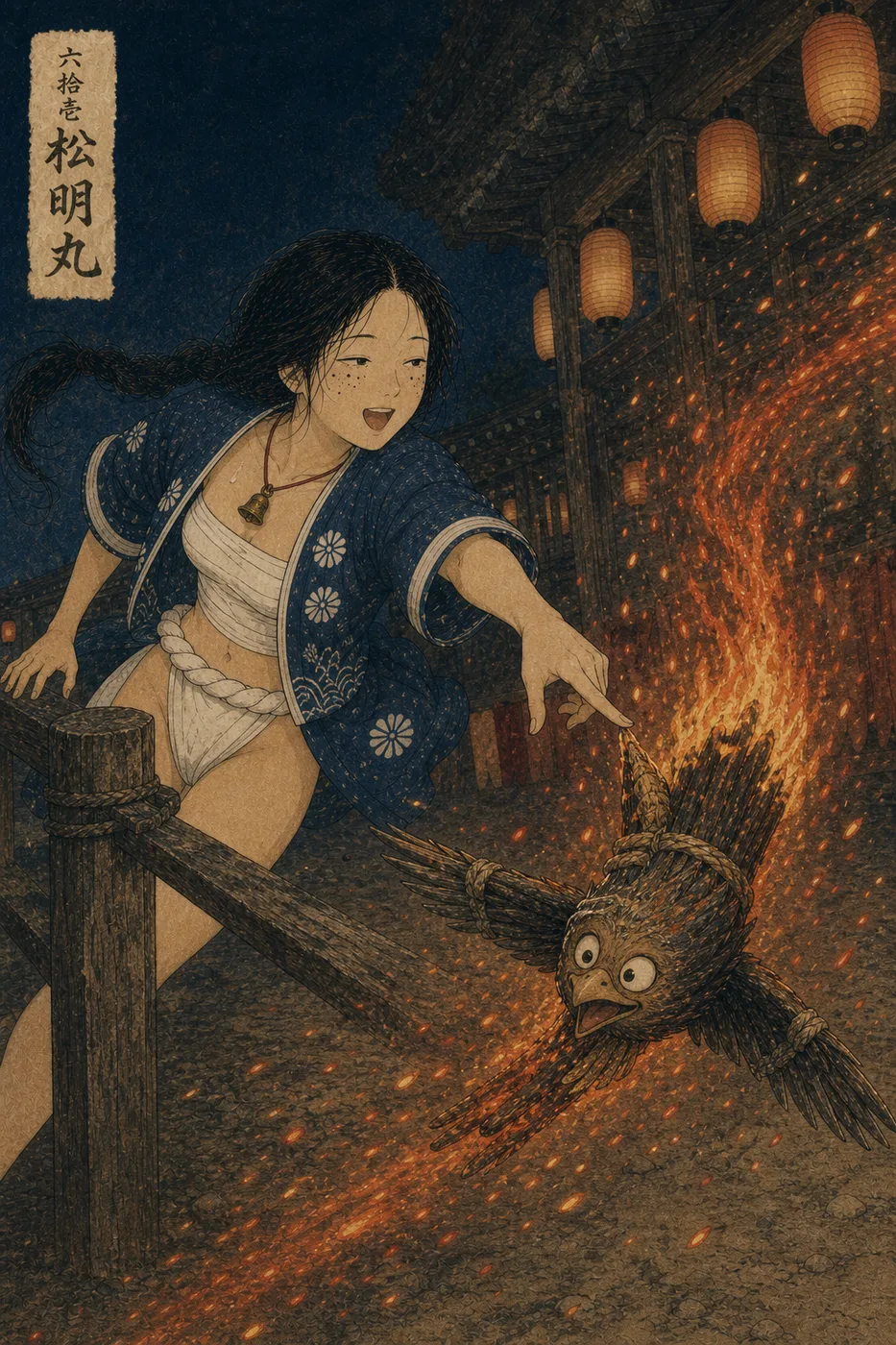
Lámina 61
The Torch Fireball
松明丸Taimatsumaru
Origen
Taimatsumaru is born from the sparks of a waved festival torch. A spark grows a tail, and the tail slowly grows into wings.
松明丸は、振られた松明の火の粉から生まれる妖怪である。火の粉に尾が生え、尾はやがて羽に育つ。
-
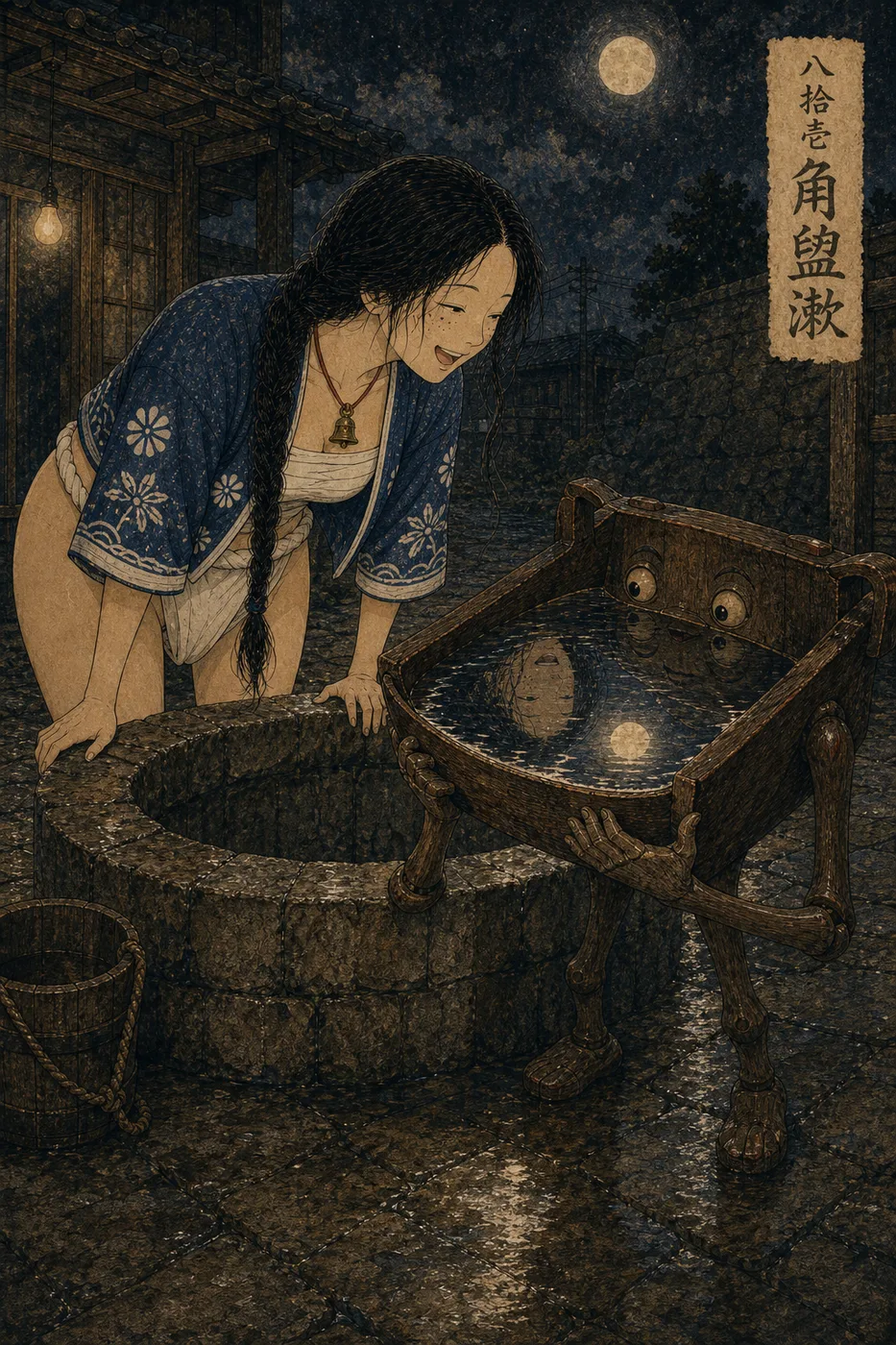
Lámina 81
The Horned Wash-Basin
角盥漱Tsunohanzō
Origen
Tsunohanzō is a washbasin with four curved horn-shaped handles. About two hundred years ago, Toriyama Sekien's Hyakki Tsurezure-bukuro pictured those handles as arms lifting a mirror made of water.
角盥は、角のような柄が四本ついた洗面だらいである。二百年ほど前の『百器徒然袋』は、腕になった柄が水鏡を持つ姿を角盥漱と呼んだ。
Otros libros